Cannabis workplaces face unique safety challenges, especially for employees who work alone in cultivation, processing, or retail operations. Lone workers in the cannabis industry are often responsible for high-value products, chemical handling, and operating complex machinery, all while ensuring regulatory compliance. Without proper training, these employees are at higher risk for accidents, injuries, and even security threats. Implementing robust lone worker training programs is essential to protect staff, reduce liability, and promote a culture of safety. This article explores 15 essential training programs that keep cannabis employees safe.
1. Hazard Identification and Risk Assessment Training
Understanding workplace hazards is the foundation of employee safety. This program teaches employees to identify physical, chemical, and environmental risks specific to cannabis operations. Employees learn to evaluate risks associated with cultivation equipment, lighting systems, pesticides, and high-value inventory, allowing them to take preventive actions before accidents occur.
2. Emergency Response Training for Lone Workers
Cannabis employees working alone must be prepared to respond to emergencies such as fires, chemical spills, or medical incidents. Emergency response training provides practical knowledge on evacuation procedures, first-aid administration, and proper use of fire extinguishers. This program ensures that lone workers can react quickly and effectively in critical situations.
3. Personal Protective Equipment (PPE) Usage and Safety Training
Cannabis cultivation and processing involve exposure to chemicals, dust, and sharp tools. PPE training teaches employees how to correctly use gloves, goggles, respirators, and protective clothing. Proper use of PPE reduces exposure to harmful substances and prevents injuries, particularly for lone workers who may not have immediate support in emergencies.
4. Security Awareness and Theft Prevention Training
Cannabis workplaces are high-value targets for theft and diversion. Security awareness training equips lone employees with strategies to detect suspicious behavior, secure inventory, and follow access control procedures. Training also covers communication protocols with security personnel and law enforcement in case of an attempted theft or intrusion.
5. Chemical Handling and Safety Protocols
Handling fertilizers, pesticides, and other chemicals is a routine task in cultivation and processing environments. Lone workers must understand proper storage, labeling, mixing, and disposal procedures. Chemical safety training emphasizes risk mitigation, hazard communication, and the use of material safety data sheets (MSDS) to prevent accidents and exposures.
6. Equipment Operation and Safety Training
Cultivation and processing often require specialized machinery, including trimmers, conveyor systems, and packaging equipment. Training ensures employees understand safe operating procedures, emergency shut-off protocols, and routine maintenance. Lone workers equipped with this knowledge can prevent mechanical accidents and maintain smooth operations.
7. First Aid and CPR Certification
First aid and CPR training is critical for lone workers, who may be the only person available to provide assistance in a medical emergency. Cannabis employees learn how to treat minor injuries, respond to severe medical incidents, and stabilize individuals until emergency responders arrive. Regular recertification keeps skills current.
8. Fire Safety and Evacuation Drills
Cannabis facilities often use high-intensity lighting, electrical equipment, and climate-control systems that pose fire hazards. Fire safety training teaches employees to identify fire risks, operate extinguishers, and safely evacuate. Conducting periodic fire drills ensures that lone workers can navigate emergency situations confidently.
9. Ergonomics and Manual Handling Training
Working long hours in cultivation, trimming, and packaging can lead to musculoskeletal injuries. Ergonomics training instructs lone employees on proper lifting techniques, workstation setup, and posture. Reducing strain and repetitive motion injuries not only protects employee health but also maintains operational efficiency.
10. Conflict Resolution and De-escalation Training
Retail cannabis operations sometimes expose employees to difficult or aggressive customers. Lone worker conflict resolution training provides strategies to handle confrontations safely. This includes verbal de-escalation techniques, situational awareness, and guidelines for involving security or law enforcement when necessary.
11. Cybersecurity and Data Protection Training
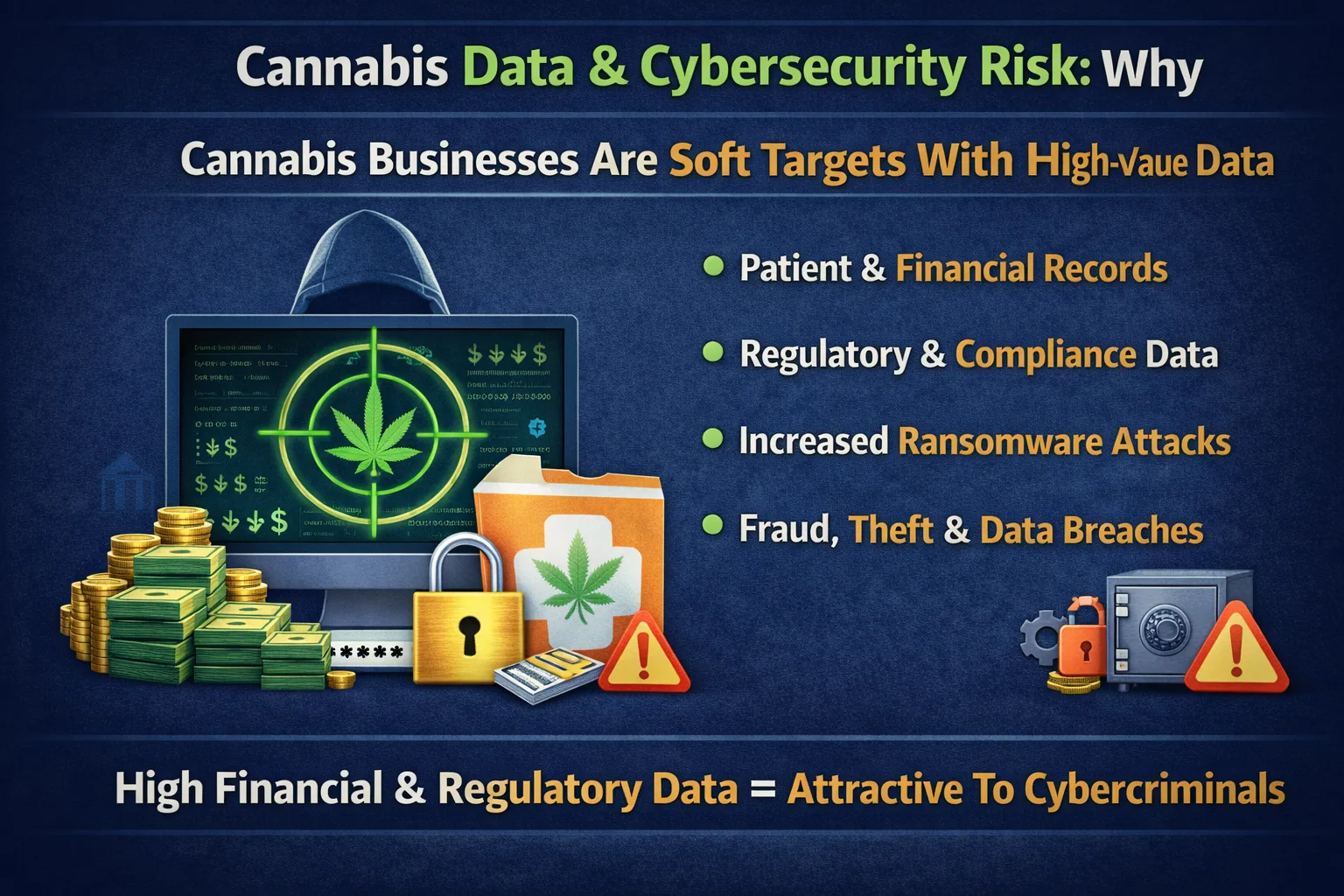
Many cannabis businesses rely on digital inventory systems, POS platforms, and seed-to-sale tracking software. Lone workers who manage sensitive data must understand cybersecurity protocols, password protection, and phishing prevention. This training ensures operational security and protects patient and customer information.
12. Regulatory Compliance and Reporting Training
Cannabis regulations are strict and complex, covering cultivation, processing, sales, and reporting. Lone workers must understand proper documentation, labeling requirements, and compliance reporting procedures. This training prevents legal violations and fosters a culture of accountability, even when employees are working independently.
13. Environmental Monitoring and Safety Training
Indoor cultivation environments require careful monitoring of temperature, humidity, and CO₂ levels. Environmental safety training teaches lone employees to use sensors and monitoring systems to maintain safe conditions. Employees learn how to respond to alarms or deviations, protecting both staff and plants from hazardous conditions.
14. Lone Worker Communication and Check-In Systems
Technology solutions such as wearable devices, mobile apps, and panic buttons can enhance lone worker safety. Training programs focus on proper usage of these tools, including check-in schedules, alert protocols, and emergency notifications. This ensures that lone employees can quickly summon help if a situation arises.
15. Mental Health and Stress Management Programs
Working alone can increase stress and mental health risks. Training programs focused on resilience, stress management, and mental wellness provide employees with coping strategies and access to support resources. Promoting mental health helps reduce fatigue-related accidents and improves overall job performance.
Implementing a Comprehensive Lone Worker Safety Program
Combining these 15 training programs creates a holistic approach to protecting cannabis employees. Facilities should develop a structured training schedule, incorporate refresher courses, and evaluate the effectiveness of each program regularly. By investing in comprehensive lone worker safety, cannabis businesses can reduce injuries, maintain compliance, and protect high-value products.
Technology can also support these programs by providing tools for remote monitoring, digital reporting, and automated alerts. For example, IoT sensors can track environmental conditions, wearable devices can monitor vital signs, and cloud-based systems can ensure compliance documentation is up to date. Integrating these technologies with training programs ensures that lone workers are not only educated but also supported by real-time safety solutions.
Lone Worker Safety as a Priority in the Cannabis Industry
Cannabis facilities are evolving quickly, and with them, the responsibility to protect lone workers has never been more critical. By implementing these 15 training programs, operators can create safer workplaces that minimize risk, improve compliance, and foster a culture of care. Lone workers who are trained in hazard recognition, emergency response, security, ergonomics, mental wellness, and technology usage are better prepared to navigate the unique challenges of the cannabis industry.
Prioritizing lone worker safety not only safeguards employees but also enhances operational efficiency, reduces liability, and builds trust with regulators and customers alike. Cannabis businesses that invest in comprehensive training programs position themselves for long term success while ensuring the health and safety of their most valuable asset their workforce.