Curaleaf to Exit Hemp THC Market Ahead of Federal Ban, Focus Shifts to Core Cannabis Operations
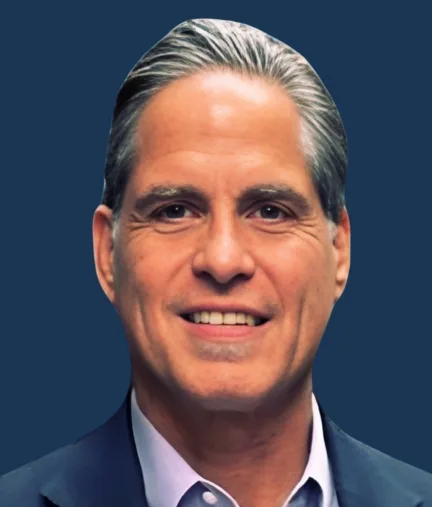
Major multistate cannabis operator Curaleaf Holdings will wind down its limited hemp THC operations ahead of a federal ban set for November 2026, Chairman Boris Jordan told MJBizDaily. The move marks a strategic retreat from the hemp-derived THC market the company entered in 2024, following the redefinition of hemp under federal law signed by former President Donald Trump.
Curaleaf Shutters Hemp THC Products and Florida Retail Outlet as Federal Ban Looms
Initially cautious about entering the hemp sector after the 2018 Farm Bill, Curaleaf launched hemp-derived THC beverages earlier this year in nine states through Total Wine & Spirits. However, Jordan said the company will now “bring down” inventory and reduce personnel focused on the business.
Curaleaf will also close The Hemp Company, its single hemp-focused outlet in West Palm Beach, Florida. Decisions regarding the company’s hemp production and manufacturing facilities in Kentucky have not yet been finalized.
“The rules are the rules,” Jordan said in an interview at MJBizCon. “We’re a law-abiding company, and we’re going to play by what the rules are.”
Hemp THC Contribution “Doesn’t Move the Needle” for Curaleaf’s Broader Strategy
Despite the exit from hemp THC, Curaleaf’s core operations remain largely unaffected. The company recently announced plans to enter the Virginia adult-use marijuana market through a $110 million acquisition of The Cannabist Co.’s assets and medical cannabis licenses.
Jordan emphasized that hemp represented a small fraction of Curaleaf’s business. “It was just getting going,” he said, noting that the hemp segment offered branding and nationwide marketing experience, though the retail side was challenging.
Lessons from the Hemp THC Experiment Inform Future Branding and Market Expansion
Curaleaf’s venture into hemp THC allowed the company to test nationwide beverage branding in states without regulated marijuana access, including Indiana, the Carolinas, and Texas. However, retail challenges—particularly self-imposed rules on product origin and potency—limited success.
“To be honest, it wasn’t a great experience,” Jordan admitted, noting that competitors operated under less restrictive standards. Despite this, the experience provided valuable lessons for future national product launches.
Federal Ban Reflects Industry Missteps, Not Just Congressional Action
Jordan placed much of the blame for the looming federal ban on the hemp THC industry itself, saying Congress acted in response to a “runaway train” of unregulated products. Powerful alcohol lobbies also influenced the closure of the Farm Bill loophole, though they remain key partners for future cannabinoid regulation.
Curaleaf plans to continue lobbying for federal regulations that could permit certain beverage products to remain on the market. Jordan suggested that any reversal of the ban would require coordinated efforts among cannabis, alcohol, and other stakeholder industries.
Curaleaf Prioritizes Core Cannabis Growth and Strategic Acquisitions
While hemp THC operations wind down, Curaleaf remains focused on expanding its regulated marijuana footprint, leveraging lessons from the hemp market for branding, marketing, and operational strategy.
Jordan remains cautious about federal regulatory changes, predicting it could take years before meaningful updates occur. In the meantime, Curaleaf will prioritize core cannabis operations, state-level expansion, and preparation for future cannabinoid regulations, positioning the company to navigate the evolving legal landscape.
For more information contact at info@cannabisriskmanager.com
OG source Download Article