Why Cannabis Cultivators Can’t Ignore Fire Suppression Systems in 2026: Protecting People, Crops, and Business Continuity
As the cannabis industry continues to expand across the United States, cultivators face an evolving set of risks—none more critical than fire. From highly flammable growing mediums to dense indoor cultivation facilities, the potential for fire poses a serious threat to crops, property, and human life. In 2026, fire suppression systems are no longer optional—they are a commercial must-have for cultivators looking to safeguard their operations and maintain regulatory compliance.
Total Fire Protection (TFP) emphasizes that an advanced fire suppression system is a cornerstone of any modern cannabis facility, capable of detecting, suppressing, and preventing fires before they escalate into catastrophic events. Staying ahead of this evolving landscape is essential for facility managers, property directors, and business owners alike.
The Rising Importance of Fire Suppression Systems in Modern Cannabis Cultivation: Compliance, Risk Mitigation, and Protection of Assets
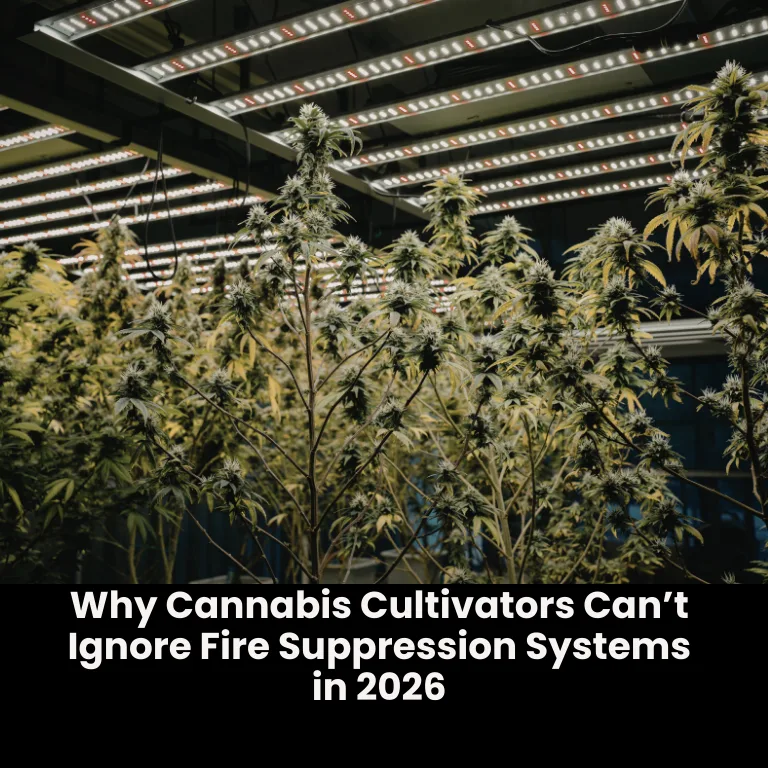
Cannabis cultivation facilities present unique fire risks. Indoor grows often feature high-intensity lighting, electrical equipment, dense vegetation, and volatile organic compounds—all elements that can contribute to rapid fire spread. Without a robust fire suppression system, even a minor ignition can result in significant crop loss, operational downtime, and property damage.
Beyond protecting assets, fire suppression systems are central to regulatory compliance. States increasingly recognize the inherent fire risks in cultivation facilities, imposing stricter building codes, electrical standards, and safety protocols. Failure to comply can result in fines, license suspension, or even closure. An advanced fire suppression system addresses both safety and compliance, providing cultivators with legal protection and operational continuity.
Additionally, cultivating cannabis responsibly includes prioritizing the safety of employees. Fire suppression systems minimize risks to personnel, giving staff the confidence to work in high-risk environments while ensuring that any incident is swiftly contained.
Innovations in Fire Suppression Systems for 2026: Smart Technology, Eco-Friendly Agents, and Faster Response
Modern fire suppression systems are no longer generic, one-size-fits-all solutions. The latest technology allows cannabis cultivators to protect their facilities more efficiently while reducing environmental impact and operational disruption.
Smart Detection Systems for Rapid Fire Identification
Advanced sensors integrated into modern suppression systems can detect fire at its earliest stages. These smart systems communicate with alarms, building management platforms, and central monitoring stations, ensuring a rapid, coordinated response. In cultivation facilities, where plant density can accelerate fire spread, early detection is critical to preventing total loss.
Eco-Friendly Suppression Agents to Protect Plants and Equipment
Cannabis cultivators are increasingly turning to eco-friendly suppression agents, such as clean gases and water mist. Unlike traditional sprinkler systems, which can damage plants or sensitive electrical equipment, these agents suppress flames effectively while minimizing collateral damage. The result is a system that protects both the crop and the infrastructure, ensuring the sustainability of the operation.
Integrated Response Mechanisms for Coordinated Safety
Fire suppression systems now offer multi-layered response mechanisms. When a fire is detected, these systems can suppress flames automatically, alert occupants, and notify emergency services simultaneously. For cannabis facilities, this integration is invaluable: it reduces response times, limits damage, and ensures personnel safety.
TFP’s expertise ensures that these innovations are tailored to the unique needs of cannabis cultivation. From system design to installation, inspection, and maintenance, TFP provides solutions that meet the strictest safety codes while protecting your investment.
Lessons for Cannabis Cultivators: Why Delay Can Be Costly
The financial stakes for cannabis cultivators are high. A fire can destroy months of growth in a matter of minutes, wiping out revenue and potentially jeopardizing business continuity. Insurance companies often require proof of advanced fire suppression systems for coverage, meaning failure to invest in proper protection can leave operators financially exposed.
Furthermore, as municipalities enforce stricter building and fire codes, cultivators without compliant systems risk violations, fines, or delays in licensing approvals. In some states, fire suppression is a prerequisite for obtaining or renewing cultivation permits. Ignoring this critical infrastructure is no longer an option—it is a business risk that can have long-term consequences.
Total Fire Protection: Partnering with Cannabis Cultivators to Build Safer Facilities
TFP has a long track record of providing advanced fire suppression solutions across industries, including the cannabis sector. Their services include:
Customized System Design: Tailoring suppression systems to the unique layouts and risk profiles of cultivation facilities.
Professional Installation: Ensuring systems are installed to meet local, state, and federal fire codes.
Regular Inspections and Maintenance: Providing ongoing support to keep systems operational and compliant.
Training and Consultation: Educating staff and facility managers on best practices to maximize system effectiveness.
With TFP, cultivators gain more than a supplier, they gain a strategic partner committed to safeguarding people, crops, and property.
Future Proofing Cannabis Operations: Why Advanced Fire Suppression Is a Must in 2026
As we move further into 2026, the cannabis industry is growing more competitive and highly regulated. Cultivators must adopt a proactive approach to fire safety—not just for compliance, but to protect employees, crops, and investments. Advanced fire suppression systems are central to that strategy.
By investing in smart detection, eco-friendly agents, and integrated response mechanisms, cultivators can mitigate the risk of catastrophic fire events while demonstrating responsibility to regulators, insurers, and the community. Facilities without these systems face increased liability, insurance challenges, and the potential for devastating losses.
The lesson is clear: fire safety is no longer an afterthought. For cannabis cultivators, the right suppression system is as critical as climate control, security, and irrigation. It ensures operational continuity, protects lives and assets, and supports sustainable growth in an increasingly complex industry.
Fire suppression systems have evolved from optional safeguards to essential infrastructure in cannabis cultivation. As regulations tighten, fire risks grow, and technology advances, cultivators must adopt comprehensive, cutting-edge systems to remain compliant, protect employees, and secure their business.
Total Fire Protection offers the expertise, technology, and ongoing support needed to implement these systems effectively. From system design and installation to inspections and staff training, TFP ensures cannabis operations are ready to face the fire risks of 2026 and beyond.
Cannabis cultivators who act now to implement advanced fire suppression systems will not only protect their crops and property, they will safeguard the future of their business, employees, and community.
Don’t wait for a disaster prepare your cannabis facility with Total Fire Protection today. Protect, detect, suppress, and grow safely in 2026.