New Meta Analysis Reveals Alarming Heart Risks Linked to Cannabis Use
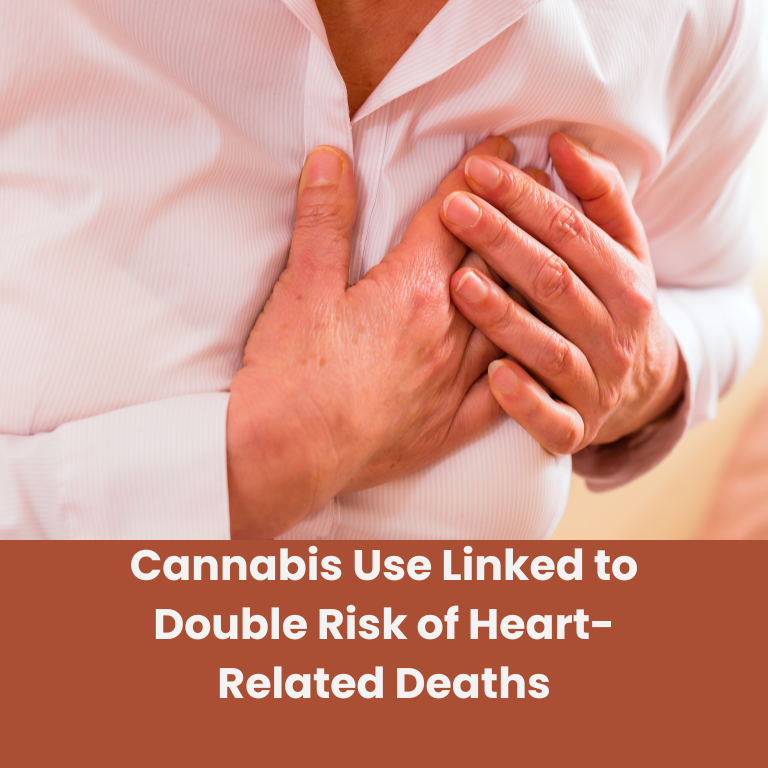
Cannabis users may face twice the risk of dying from cardiovascular disease compared to non-users, according to a major new study published in the journal Heart. The meta-analysis, which pooled real-world data from nearly two dozen studies involving hundreds of millions of individuals, also found significantly increased risks of acute coronary syndrome and stroke.
The findings are a serious blow to the widely held public perception that cannabis is a relatively harmless substance—especially as global legalization expands and use surges in both recreational and medicinal contexts.
In response, a related editorial from leading public health experts calls for cannabis regulation to mirror tobacco control policies: non-criminal in approach, but strictly regulated to discourage use and protect the public from secondhand exposure.
Real World Data Analysis Confirms Long-Suspected Cardiovascular Harms
The study authors conducted a systematic review and meta-analysis of large-scale observational studies published between January 2016 and December 2023. Out of over 3,000 initially identified papers, 24 were selected for detailed review based on rigorous criteria related to sample size, methodology, and clinical endpoints.
Together, these studies encompassed data on approximately 200 million people and examined outcomes such as stroke, heart attack, and cardiovascular-related death. While many of the included studies were observational in nature—and thus cannot definitively establish causality—the researchers argue that their breadth and consistency point to real-world relevance.
The participants included in the pooled data were primarily between the ages of 19 and 59. In studies where gender was recorded, cannabis users were more likely to be male and younger compared to non-users. The researchers note that these demographic trends are consistent with known patterns of cannabis consumption globally.
Key Findings: Cannabis Use Significantly Raises Risk of Heart Events and Death
The findings of the analysis were striking. Cannabis use was associated with:
- A 29% increased risk of acute coronary syndrome (a range of conditions associated with sudden reduced blood flow to the heart).
- A 20% increased risk of stroke.
- A twofold increase in the risk of dying from cardiovascular disease.
These results remained significant across various study designs and populations, despite some methodological limitations inherent in observational data.
The researchers acknowledge a moderate to high risk of bias across the included studies, citing issues such as missing data, inconsistent definitions of cannabis use, and limited controls for confounding variables like tobacco use or underlying medical conditions. Even so, the findings present a compelling case for a reassessment of how cannabis is regulated and perceived in public health discourse.
Editorial Response: Treat Cannabis Like Tobacco to Mitigate Public Health Risks
In a strongly worded editorial accompanying the study, two leading U.S. public health experts—Emeritus Professor Stanton Glantz and Dr. Lynn Silver—argue that the new evidence undermines any assumption that cannabis is safe for the heart. Instead, they say, policymakers and healthcare systems should apply the same regulatory principles used to curb tobacco use.
The editorial authors propose a clear framework: decriminalization should not mean deregulation. While criminal penalties for personal use may be inappropriate, they contend, this should not justify the widespread commercial promotion and normalization of a substance that poses demonstrable health risks.
They call for policies that actively discourage cannabis use through public education campaigns, robust warning labels, advertising restrictions, and rules to protect non-users—especially children—from secondhand vapor and environmental exposure.
Product Diversity and Potency Raise New Questions About Health Impacts
The editorial also stresses the need for future research to investigate how different cannabis forms—such as high-potency concentrates, synthetic cannabinoids, and edibles—affect cardiovascular risk. The cannabis industry has evolved far beyond traditional flower products, and many of today’s commercially available offerings contain THC levels that far exceed those of previous decades.
This evolution in product potency and diversity raises questions about whether it is the cannabinoids themselves, the method of consumption, or other components like terpenes and particulate matter that contribute most significantly to cardiovascular risk.
Given this complexity, Glantz and Silver argue, cannabis regulation must keep pace with the science and not lag behind in the way tobacco policies did for decades.
Public Health Imperative: Integrating Cardiovascular Risk Into Cannabis Policy
One of the editorial’s central points is the call to fully integrate cannabis into the existing frameworks for cardiovascular disease prevention. This includes not only issuing clear health warnings, but also incorporating cannabis use assessments into routine medical evaluations, especially for patients with known heart conditions.
Public health education, they say, should emphasize the known and emerging risks of cannabis use—not just in terms of addiction or mental health effects, but now clearly with regard to life-threatening heart conditions.
Moreover, they stress the need for evidence-informed limits on product potency, especially for products sold in legal recreational markets, where current regulation is often minimal or inconsistent across jurisdictions.
Current Regulatory Landscape Still Focused on Market Expansion
Despite the growing body of evidence on health harms, cannabis policy in many jurisdictions remains focused on establishing and expanding legal markets, often with insufficient attention to consumer safety.
The editorial notes that unlike the stringent controls applied to tobacco and alcohol marketing, cannabis businesses in some areas still operate with few restrictions on packaging, potency, or health claims. The lack of mandatory health warnings and public awareness campaigns further compounds the issue.
This regulatory gap, they argue, could allow avoidable health crises to emerge, particularly among young users, patients using cannabis for therapeutic purposes, and communities exposed to environmental cannabis vapor without consent.
A Call for Balanced, Science-Based Regulation Without Criminalization
The consensus from the editorial is clear: cannabis should be neither demonized nor dismissed. Rather, its regulation should be based on science, with the goal of minimizing population-level harm while respecting individual choice.
The authors urge lawmakers, healthcare professionals, and public health authorities to avoid repeating the mistakes of early tobacco regulation, when warnings were delayed and the industry was allowed to shape public understanding for too long.
Key recommendations include:
- Prohibiting cannabis advertising and celebrity endorsements
- Requiring bold health warnings on all products
- Setting product potency limits
- Enforcing smoke- and vapor-free public spaces
- Conducting ongoing surveillance of cannabis-related health outcomes
- Supporting independent, publicly funded research
Public Health Systems Must Adapt to the Cannabis Era
As cannabis use becomes increasingly mainstream, public health systems must adapt swiftly to address new challenges. The evidence presented in the Heart journal and the accompanying editorial provides a sobering reminder that legalization is not synonymous with safety, and that careful regulation is needed to protect lives.
Rather than treating cannabis like a harmless herb or a miracle cure, experts now urge society to take a more nuanced view, one that acknowledges both its therapeutic potential and its real, measurable risks.
Topic(s):
OG source Download Article