Long-Term Youth Cannabis Use Declines Sharply as Federal Survey Data Spanning Three Decades Reveals Sustained Downward Trend
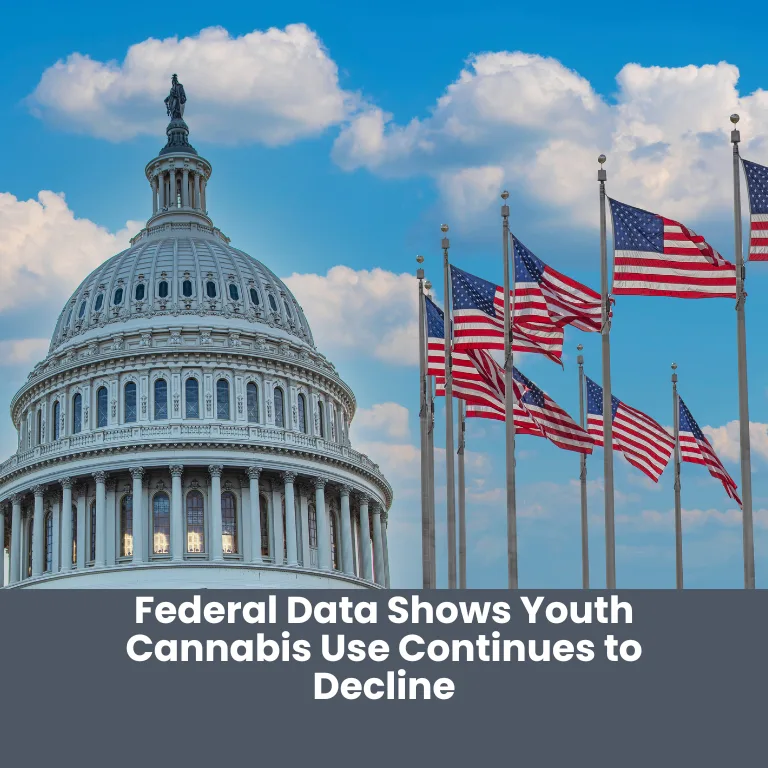
The percentage of young people consuming cannabis products has fallen dramatically over the better part of the past two decades, according to a new analysis of youth survey data published in the journal Addictive Behaviors.
Researchers affiliated with the University of Connecticut assessed federal data drawn from the Centers for Disease Control and Prevention’s Youth Risk Behavior Survey, one of the most comprehensive long-running datasets tracking adolescent health behaviors in the United States.
The research team analyzed responses from more than 254,000 high school students collected between 1991 and 2023, offering one of the most expansive looks at youth cannabis trends over time.
Consistent with prior national studies, the researchers identified a pronounced long-term decline in the prevalence of marijuana use among teenagers.
Lifetime and Recent Cannabis Use Among Adolescents Falls Significantly After Peaking in the Late 1990s
According to the study’s findings, adolescent cannabis use rose through the 1990s before reaching its high point near the end of the decade.
“Overall results show that rates of lifetime cannabis use rose from 1991, peaked in 1999 (47.3 percent), and subsequently decreased, with 30.1 percent of adolescents reporting ever using cannabis in 2023,” the authors concluded.
The downward trend was also evident in more recent consumption patterns.
Researchers reported that while more than one-quarter of U.S. adolescents said they had used cannabis recently in 1999, that figure dropped to less than one-fifth by 2023. Early-age initiation likewise declined, indicating that fewer teens are experimenting with marijuana at younger ages.
Public health analysts say these findings challenge long-standing fears that broader legalization would inevitably drive youth consumption upward.
Advocacy Groups Say Findings Undercut Claims Linking Legalization to Increased Teen Marijuana Use
Commenting on the data, Paul Armentano, deputy director of NORML, said the findings reinforce what multiple government datasets have already shown.
“Sensational claims that adult-use legalization laws are linked with greater marijuana use by teens are simply not backed by government data,” Armentano said. “These findings ought to reassure lawmakers that cannabis access can be legally regulated in a manner that is safe, effective, and that does not inadvertently impact young people’s habits.”
Policy experts note that regulated markets typically impose age-verification requirements, licensed retail systems and compliance checks—controls that do not exist in illicit markets.
Separate Federally Funded University Study Also Reports Historic Lows in Adolescent Cannabis Consumption
Additional federally funded survey data compiled by researchers at the University of Michigan in December reached similar conclusions.
That analysis found marijuana use among adolescents has fallen significantly since states began implementing regulated adult-use cannabis markets and now stands at or near historic lows.
Between 2012 and 2025:
- The percentage of 12th graders reporting lifetime cannabis use fell by 23 percent.
- Among 10th graders, lifetime use dropped 35 percent.
- Among 8th graders, it declined 17 percent.
Current (recent) cannabis use also decreased markedly:
- Down 25 percent among 12th graders
- Down 45 percent among 10th graders
- Down 38 percent among 8th graders
Researchers said the consistency of declines across multiple grade levels strengthens confidence that the trend reflects a real behavioral shift rather than survey anomalies.
Researchers Point to Changing Social Norms, Prevention Efforts and Regulation as Possible Drivers
While the new analysis did not attempt to establish causation, public health researchers have previously cited several factors that may be contributing to reduced youth cannabis use:
- Expanded prevention and education campaigns
- Shifting youth attitudes toward substance use
- Increased parental awareness
- Tighter retail controls in regulated markets
- Competition from other substances such as vaping products
Some experts also suggest that legalization may reduce the “forbidden fruit” effect historically associated with illicit drugs, though this remains debated.
Study Authors Emphasize Continued Monitoring as Cannabis Policies Evolve Nationwide
Despite the encouraging data, researchers cautioned that continued monitoring is essential as cannabis products, potency levels and retail frameworks evolve.
They also noted that today’s commercial cannabis landscape differs significantly from that of the 1990s and early 2000s, particularly in product variety and THC concentrations.
The study abstract, titled “Trends in US Adolescent Cannabis Use, 1991–2023,” appears in the journal Addictive Behaviors. Additional contextual analysis is available through policy and research organizations tracking youth substance-use trends.
Long-Term Data Suggest Youth Cannabis Use Is Moving in the Opposite Direction of Early Legalization Fears
Taken together, the federal and academic findings paint a consistent picture: youth cannabis consumption has not risen alongside legalization but instead has declined over the long term.
For policymakers, educators and public health officials, the data may help inform future regulatory decisions particularly as more jurisdictions weigh reforms to cannabis laws while prioritizing youth protection.
Ongoing surveillance, researchers say, will remain critical to understanding how regulation, education and market forces continue to shape adolescent behavior in the years ahead.
Topic(s):
OG source Download Article