Missouri Lawmakers Approve Psychedelics Legislation Aimed At Expanding Therapeutic Access And Research On Psilocybin And Ibogaine For Adults And Veterans
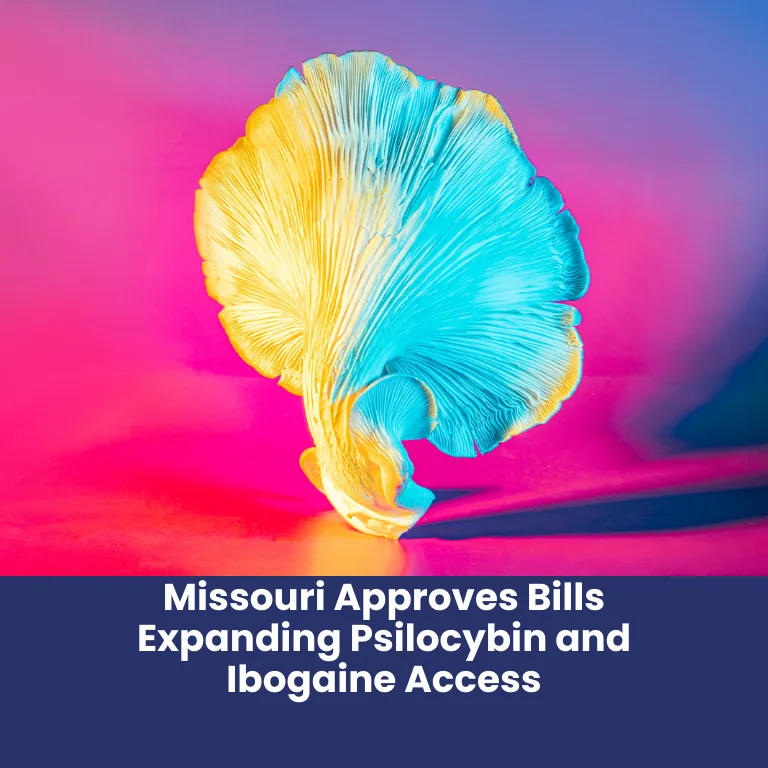
Missouri lawmakers have advanced a set of bills designed to broaden access to and research on psychedelics, including psilocybin and ibogaine, for adults and military veterans. The legislation, passed this week by the House Emerging Issues Committee, represents a significant step toward creating regulated programs for therapeutic psychedelic use and funding research initiatives in the state.
On Wednesday, the committee voted to combine two psilocybin-focused bills and two ibogaine-focused bills introduced by Rep. Matthew Overcast (R) and Rep. Richard West (R). The merged legislation aims to support studies, prepare for eventual federal approval of psychedelic therapeutics, and implement regulated psilocybin programs that allow eligible adults and veterans to access these treatments under medical supervision.
While the ibogaine proposals from both lawmakers were identical, the two psilocybin bills had differences that needed to be reconciled in the committee merger. The final text of the combined legislation has not yet been released, so the precise language that survived the consolidation remains unclear.
Missouri Ibogaine Bills Set To Create State Fund And Intellectual Property Revenue Streams To Support Clinical Trials And Veteran Care
The ibogaine-focused measures—HB 2817 (Overcast) and HB 2961 (West)—were filed as near-identical legislation under the Veterans Mental Health Innovation Act. Both bills propose establishing a state-managed fund to support FDA-approved clinical trials evaluating ibogaine for opioid use disorder and other neurological conditions.
Under the bills, the Missouri Department of Health and Senior Services (DHSS) would award grants to institutions capable of conducting specialized neurological or neurosurgical work, providing cardiac care, matching state funding, and partnering with organizations holding FDA investigational new drug applications seeking breakthrough therapy designation.
The legislation would also establish an Ibogaine Intellectual Property Fund, which collects revenue from patents and licensing fees associated with clinical trials. That money would then be directed toward support services for military veterans and other at-risk populations.
If FDA approval for an ibogaine therapy is granted, only licensed physicians would be permitted to prescribe it, and treatment would need to occur in a medically supervised environment. The legislation stipulates that the DHSS grant application process must commence before November 1.
Psilocybin Bills Seek To Expand Right To Try Programs For Veterans While Funding Research And Ensuring Legal Protections
Rep. West’s HB 1717 focuses on veterans aged 21 and older and builds upon Missouri’s existing right-to-try law. It allows eligible veterans to access psilocybin treatment for conditions including post-traumatic stress disorder (PTSD), major depressive disorder, substance use disorders, and end-of-life care.
Participants would need physician documentation verifying their qualifying condition and would receive psilocybin in a supervised clinical setting. The legislation places a 150mg cap on psilocybin analyte for each patient annually.
HB 1717 also provides legal protections for patients and facilitators, shielding them from criminal or civil enforcement related to participation and prohibiting disclosure of participant information to federal authorities. The bill allocates $2 million for psilocybin research grants and requires the Missouri Department of Mental Health (DMH) to partner with a university or FDA-affiliated research institute to conduct studies into psilocybin’s therapeutic potential, with a final report due to the legislature within one year of enactment.
Additionally, the bill revises the state definition of “investigational drug” to include Schedule I substances like psilocybin under right-to-try protections.
A Separate Psilocybin Bill Expands Adult Access Beyond Veterans While Maintaining Medical Oversight And Dosage Limits
Rep. Overcast’s HB 1643 proposes broader access to psilocybin for all adults 21 and older, not just veterans. Unlike HB 1717, enrollment in a research study would not be required to receive treatment.
Adults seeking psilocybin therapy would still need to demonstrate a qualifying medical condition PTSD, major depressive disorder, substance use disorder, or terminal illness and would be capped at 150mg of psilocybin analyte per year.
The bill also expands the state’s right-to-try law to include Schedule I substances, requiring manufacturers to register investigational drugs with DHSS. The department would maintain a public registry of organizations offering approved treatments, with the registry required to be published by November 1.
Passage Of Psychedelics Legislation Reflects Broader Efforts By Missouri Lawmakers To Reform Drug Policy And Promote Alternative Therapies
The committee action comes months after Missouri legislators pre-filed a broad slate of drug policy reform proposals. These measures range from providing early release for people incarcerated for certain cannabis-related offenses to promoting regulated access to alternative therapies such as psilocybin.
Rep. West has previously sponsored psilocybin access legislation for military veterans, which was not enacted. The latest bills signify a renewed bipartisan effort to incorporate research-backed psychedelic treatments into state healthcare and veteran programs.
By combining funding for clinical trials, legal protections for participants, and medically supervised programs, the legislation seeks to ensure both patient safety and scientific rigor while preparing for potential federal regulatory approval.
Next Steps For Psychedelics Legislation Include Final Committee Review, Possible Floor Votes, And Tracking Federal Coordination For Novel Therapeutics
With committee passage, the bills now move toward broader legislative consideration. Lawmakers will need to reconcile merged text, finalize funding allocations, and determine implementation logistics through DHSS and DMH oversight.
The legislation’s success may also hinge on federal coordination, as both psilocybin and ibogaine remain Schedule I substances under federal law, and FDA approvals will guide future clinical applications and practitioner protocols.
Missouri’s emerging framework for psychedelics illustrates the state’s evolving approach to drug policy, integrating adult and veteran healthcare needs, scientific research, and regulated access in a structured model that could influence similar initiatives in other states.
By combining therapeutic access, rigorous research funding, and legal protections, Missouri lawmakers are positioning the state as a leader in evidence-based psychedelic healthcare programs while balancing oversight and safety considerations for patients and providers alike.
Topic(s):
OG source Download Article