The Evolving Landscape of Cannabis Insurance: Understanding Emerging Trends and Industry Challenges
The cannabis industry has experienced rapid growth over the past decade, fueled by widespread legalization for medical and recreational use across multiple states in the U.S. and expanding global markets. As cannabis businesses mature, the need for comprehensive insurance coverage has become increasingly critical. From cultivation facilities to dispensaries, manufacturers, and ancillary service providers, every segment of the cannabis industry faces unique risks that traditional insurance policies often fail to address. Understanding the evolving landscape of cannabis insurance is essential for businesses looking to manage risk effectively and operate sustainably.
The Cannabis Industry’s Rapid Growth And How It Drives Insurance Demand
The expansion of the cannabis industry has created new opportunities, but it has also heightened exposure to a broad spectrum of risks. According to recent market estimates, the U.S. legal cannabis market is projected to surpass $40 billion by the mid-2020s. With this growth comes greater complexity in operations, including higher volumes of cash handling, complex supply chains, and regulatory compliance obligations.
Insurance demand has increased as businesses recognize the importance of protecting against property damage, liability claims, product recalls, and crop losses. Cannabis cultivators, for instance, face risks from environmental hazards, pests, and disease outbreaks, while dispensaries are exposed to theft, employee-related liabilities, and customer safety issues.
The expansion of adult-use and medical cannabis markets also means that businesses are operating under a patchwork of state regulations. This regulatory fragmentation adds another layer of complexity to insurance coverage, as policies must be tailored to comply with state-specific laws while providing adequate protection for multi-state operations.
Key Types Of Insurance Policies For Cannabis Businesses And Their Importance
Cannabis businesses rely on a variety of insurance policies to manage risk, each addressing different operational vulnerabilities. Some of the most critical coverage types include:
General Liability Insurance – Protects against claims related to bodily injury, property damage, and advertising mistakes. For dispensaries and retailers, this coverage is essential in managing risks associated with customer interactions.
Product Liability Insurance – Provides protection if a cannabis product causes harm to a consumer. Given the strict safety standards required for cannabis products, this coverage is vital for manufacturers, edibles producers, and distributors.
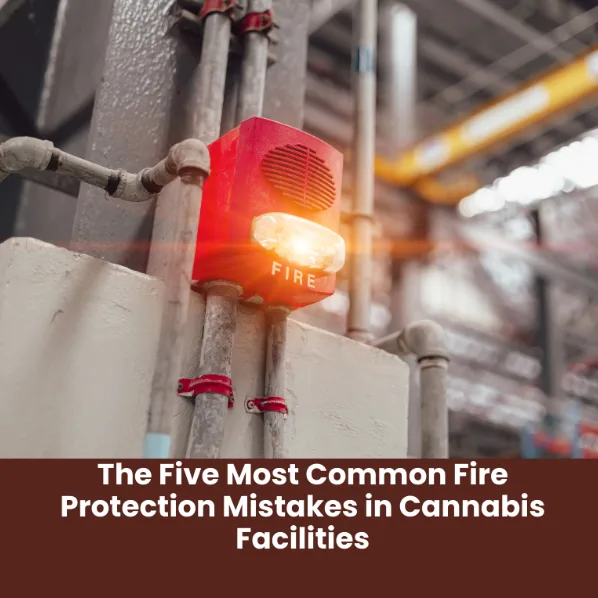
Property Insurance – Covers damage to cultivation facilities, processing plants, or dispensary locations from natural disasters, fire, or vandalism. Cannabis cultivation is capital-intensive, and property insurance protects significant investments.
Crop Insurance – Particularly relevant for growers, crop insurance mitigates losses due to plant disease, pests, or environmental hazards. Some policies also cover financial losses resulting from delayed harvests or regulatory changes.
Workers’ Compensation Insurance – Mandatory in most states, this insurance protects employees injured on the job. Cultivation and processing facilities have high-risk environments, making comprehensive workers’ compensation essential.
Cyber Liability Insurance – As cannabis businesses increasingly rely on digital point-of-sale systems and data management, cyber liability policies protect against data breaches and related financial losses.
Directors and Officers (D&O) Insurance – Provides coverage for business leaders against claims alleging mismanagement, breach of fiduciary duty, or regulatory non-compliance.
Trends Shaping The Cannabis Insurance Market In 2026 And Beyond
The cannabis insurance market is evolving rapidly, driven by regulatory developments, technological innovation, and investor expectations. Several key trends are shaping this landscape:
1. Increasing Availability Of Specialized Cannabis Insurance Products
Historically, many cannabis businesses struggled to secure coverage due to the federal illegality of marijuana. Traditional insurers often excluded cannabis-related operations from standard policies. Today, a growing number of specialized carriers and brokers provide tailored solutions that address the unique risks faced by cannabis operators. These products include integrated policies covering cultivation, processing, distribution, and retail operations, reducing gaps in coverage.
2. Focus On Compliance And Risk Management
Insurance carriers are increasingly tying coverage eligibility to compliance with state and local regulations. Businesses that demonstrate adherence to best practices in security, inventory tracking, employee training, and product safety are more likely to secure favorable premiums. Some carriers offer risk management services, including audits and guidance, to help businesses reduce exposure to loss and enhance insurability.
3. Expansion Of Multi-State Coverage Options
As cannabis companies scale operations across multiple states, insurers are responding with policies that provide coverage in diverse regulatory environments. Multi-state coverage simplifies administration, reduces legal complexity, and ensures that businesses remain protected as they enter new markets. However, federal illegality still presents challenges for coverage across state lines, requiring careful navigation by both carriers and insureds.
4. Integration Of Technology And Data Analytics
Insurers are increasingly using technology and data analytics to assess risk and price policies more accurately. For example, environmental monitoring systems in cultivation facilities can provide real-time data on humidity, temperature, and pest activity, enabling insurers to better evaluate risk and offer tailored premiums. Digital platforms also allow for streamlined claims processing and proactive loss prevention.
5. Focus On Employee Safety And Liability Mitigation
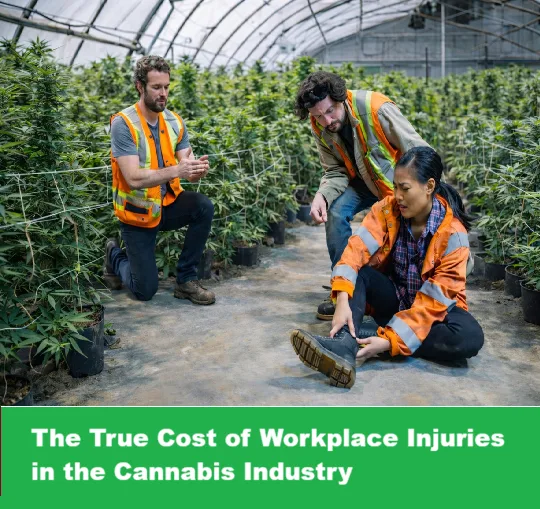
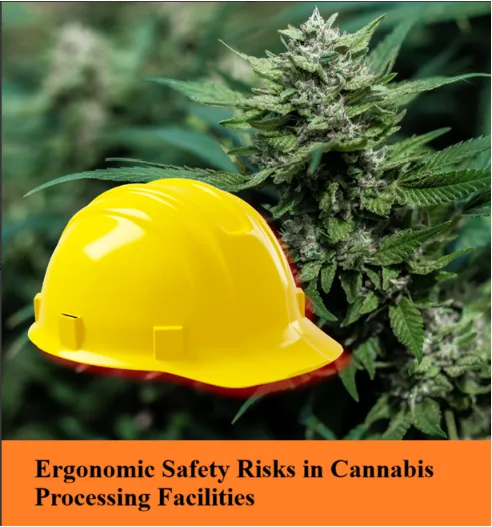
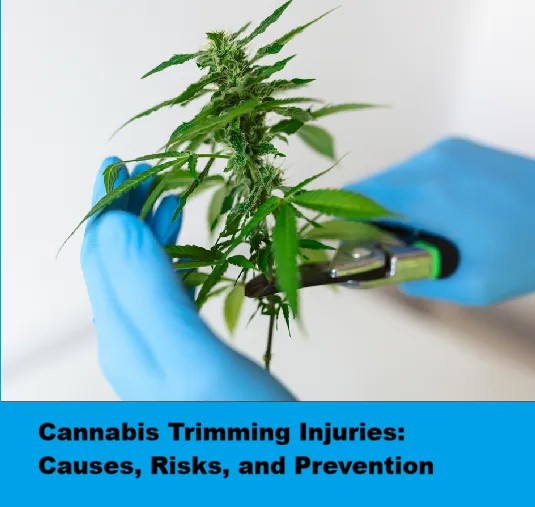
Workplace safety continues to be a major concern in cannabis operations, particularly in cultivation and processing environments. Insurance carriers are emphasizing the importance of safety protocols, protective equipment, and employee training programs to reduce workplace injuries and associated claims. Businesses that invest in safety culture and documentation often see lower premiums and enhanced coverage options.
Challenges Facing Cannabis Insurance Providers And Operators
Despite the progress in cannabis insurance, several challenges remain that impact both providers and businesses seeking coverage.
1. Federal Legal Uncertainty
Federal illegality remains the most significant challenge for the cannabis insurance market. While individual states permit adult-use or medical cannabis, federal law classifies marijuana as a Schedule I substance. This legal status creates barriers for banking, underwriting, and interstate risk coverage, forcing many businesses to operate in a fragmented insurance landscape.
2. High Premiums And Coverage Limitations
Cannabis insurance premiums are often higher than those in comparable industries due to the perceived risk and lack of historical loss data. Coverage limits may also be lower, and certain claims—particularly those involving product liability or regulatory non-compliance—may be excluded entirely. Businesses must balance cost with adequate protection, often requiring a portfolio of policies to achieve comprehensive coverage.
3. Lack Of Standardized Risk Assessment
Because cannabis cultivation, processing, and retailing are relatively new legal industries, standardized metrics for risk assessment are limited. Insurers rely on a combination of industry experience, operational audits, and historical data from other sectors, which can make underwriting inconsistent and complex.
4. Exposure To Regulatory Changes
Rapidly evolving state regulations can affect coverage requirements and claims eligibility. Changes in packaging rules, product potency limits, security mandates, or licensing requirements can increase liability risks. Businesses must stay informed and maintain flexibility in insurance policies to accommodate regulatory shifts.
5. Limited Access To Reinsurance
Many traditional reinsurers are hesitant to underwrite cannabis-related risks due to federal illegality and regulatory uncertainty. Limited access to reinsurance can constrain the capacity of primary insurers, affecting both availability and cost of coverage for cannabis operators.
Strategies For Cannabis Businesses To Navigate The Insurance Landscape
Cannabis businesses can adopt several strategies to manage risk effectively while navigating the evolving insurance environment:
Work with specialized brokers who understand cannabis industry risks and regulatory requirements.
Maintain strict compliance with state and local regulations, including security, inventory tracking, and product safety.
Invest in risk management and safety programs to reduce liability exposure.
Document operational procedures and maintain detailed records to support claims and underwriting.
Evaluate multi-policy solutions to ensure comprehensive coverage across property, liability, product, and employee risks.
Positioning Cannabis Businesses For Success Through Comprehensive Insurance And Risk Management
The cannabis industry continues to grow and evolve, and insurance plays a critical role in ensuring business sustainability. By understanding emerging trends, leveraging specialized coverage options, and proactively managing risk, cannabis operators can protect their investments, employees, and customers.
While challenges remain particularly around federal legality, high premiums, and regulatory shifts, advancements in specialized insurance products, risk management tools, and data-driven underwriting are helping businesses navigate this complex landscape. As the industry matures, cannabis insurance will become an increasingly sophisticated and essential component of responsible, profitable operations.
For growers, processors, dispensaries, and ancillary providers, understanding and adapting to the evolving insurance landscape is no longer optional, it is central to long-term success.