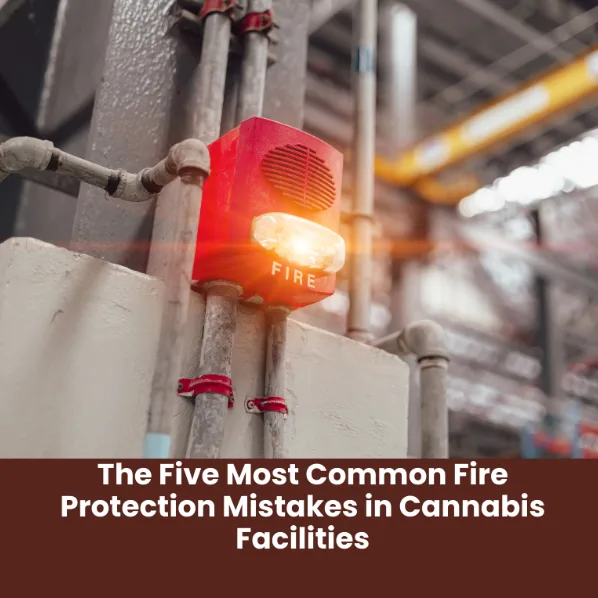
The Five Most Common Fire Protection Mistakes in Cannabis Facilities and How They Put Operations at Risk
Cannabis facilities, from cultivation centers to processing and distribution hubs, face unique challenges when it comes to fire safety. Unlike traditional industrial or commercial buildings, cannabis operations involve high electricity loads, volatile plant materials, and specialized HVAC systems that increase fire risk. Ignoring proper fire protection measures can lead to devastating property loss, business interruptions, regulatory fines, and, most importantly, threats to employee safety. Understanding the most common fire protection mistakes can help facility operators safeguard their investments and maintain compliance with state and local regulations.
Mistake 1: Failing to Properly Design and Maintain Electrical Systems in High-Density Grow Rooms
One of the most frequent causes of fires in cannabis facilities is faulty or overloaded electrical systems. Grow rooms typically require high-wattage lighting, advanced climate control, and ventilation systems that place enormous demand on electrical circuits. Many operators underestimate the cumulative load on their systems or attempt DIY electrical installations to save money.
Common issues include:
- Overloaded circuits due to multiple high-intensity lights on a single breaker.
- Improper wiring or use of non-certified components.
- Lack of surge protection or inadequate grounding.
Failing to address these issues not only increases fire risk but can also lead to costly insurance claims or violations of state licensing requirements.
Prevention measures: Cannabis facilities should hire licensed electricians to design and maintain all electrical systems. Regular inspections, thermal imaging to detect overheating components, and proper labeling of circuits can dramatically reduce fire hazards. Implementing automatic shutoff switches for overloaded circuits is also recommended.
Mistake 2: Ignoring the Hazards of Flammable Materials and Chemical Storage
Cannabis cultivation and processing involve a wide range of flammable materials. Nutrients, fertilizers, ethanol, alcohol-based sanitizers, and certain solvents used in extraction processes are all highly combustible. Storing these materials improperly or in unapproved containers can quickly turn a small spark into a catastrophic fire.
Many facilities make the mistake of:
- Storing flammable chemicals near grow rooms or high-traffic areas.
- Using standard shelving without fire-resistant properties.
- Mixing incompatible chemicals that could trigger combustion.
Prevention measures: Facilities should maintain clearly labeled, fire-resistant storage areas for all chemicals. OSHA and NFPA (National Fire Protection Association) guidelines provide detailed requirements for flammable liquid storage. Staff should be trained in proper handling techniques, and chemical inventories should be routinely reviewed to prevent accumulation of unnecessary hazardous materials.
Mistake 3: Inadequate Fire Detection and Suppression Systems
A surprising number of cannabis facilities either skimp on fire detection systems or install equipment that isn’t suited to the unique environment of a grow operation. High humidity, dense plant material, and enclosed spaces can impede smoke and heat detection, reducing the effectiveness of traditional fire alarms.
Common shortcomings include:
- Smoke detectors that trigger false alarms or fail to activate in high-humidity conditions.
- Absence of sprinkler systems or improper sprinkler placement.
- No dedicated fire suppression for extraction rooms, where alcohol-based solvents are used.
Prevention measures: Facilities should invest in fire detection systems specifically designed for humid, dense environments. This includes dual-sensor smoke alarms, heat detectors, and flame detection cameras in extraction or chemical storage areas. Sprinkler systems must be installed according to NFPA 13 standards and regularly inspected. Additionally, portable fire extinguishers should be strategically placed and staff trained in their proper use.
Mistake 4: Neglecting Fire Safety Training and Emergency Preparedness
Even with the best infrastructure, human error remains a leading cause of fires in cannabis facilities. Many operators underestimate the importance of ongoing staff training in fire safety procedures, evacuation protocols, and emergency response.
Facilities often make mistakes such as:
- Failing to conduct regular fire drills or emergency evacuation exercises.
- Not assigning clear responsibilities during a fire or alarm activation.
- Lacking proper signage for exits, extinguishers, and chemical hazards.
Employees unfamiliar with proper procedures may panic during an incident, delay emergency response, or misuse fire suppression equipment, resulting in preventable losses.
Prevention measures: Cannabis businesses should develop comprehensive fire safety policies, including training programs that cover:
- Proper use of fire extinguishers.
- Identification of fire hazards in grow rooms and extraction areas.
- Step-by-step evacuation procedures.
- Communication plans with local fire departments and emergency services.
Conducting quarterly drills and reviewing lessons learned can improve preparedness and ensure everyone knows their role in an emergency.
Mistake 5: Overlooking Fire Code Compliance and Insurance Requirements
Many cannabis operators fail to fully understand how fire codes and insurance requirements intersect with state and local cannabis regulations. Noncompliance can have severe consequences, from fines and forced facility shutdowns to denied insurance claims in the event of a fire.
Common oversights include:
- Ignoring building occupancy limits and fire exit requirements.
- Failing to obtain permits for electrical upgrades, chemical storage, or sprinkler installation.
- Using insurance policies that exclude losses related to cannabis operations or high-risk activities such as extraction.
Prevention measures: Facility operators should work with fire protection engineers and legal advisors familiar with both local building codes and cannabis-specific regulations. Ensuring that all inspections, permits, and certifications are up to date will minimize legal exposure. Insurance policies should be reviewed annually to confirm adequate coverage for property, liability, and product-specific risks.
Conclusion: Fire Safety Must Be Integrated Into Every Aspect of Cannabis Facility Operations
Cannabis facilities are unique in their operational risks, and fire protection cannot be an afterthought. From electrical systems and chemical storage to staff training and code compliance, each component plays a critical role in preventing catastrophic fires.
By addressing the five most common mistakes—overloaded or poorly maintained electrical systems, improper chemical handling, inadequate fire detection and suppression, insufficient staff training, and noncompliance with codes and insurance requirements—operators can create a safer environment for employees, protect their investments, and ensure long-term operational continuity.
Ultimately, successful cannabis facility management requires a proactive, integrated approach to fire protection, one that combines engineering controls, staff education, and adherence to all relevant codes and regulations. Facilities that take fire safety seriously not only mitigate risk but also foster a culture of responsibility and professionalism that can benefit employees, regulators, and investors alike.
Ensuring fire safety in cannabis operations isn’t optional, it’s essential for survival in a high risk industry.
Download Article