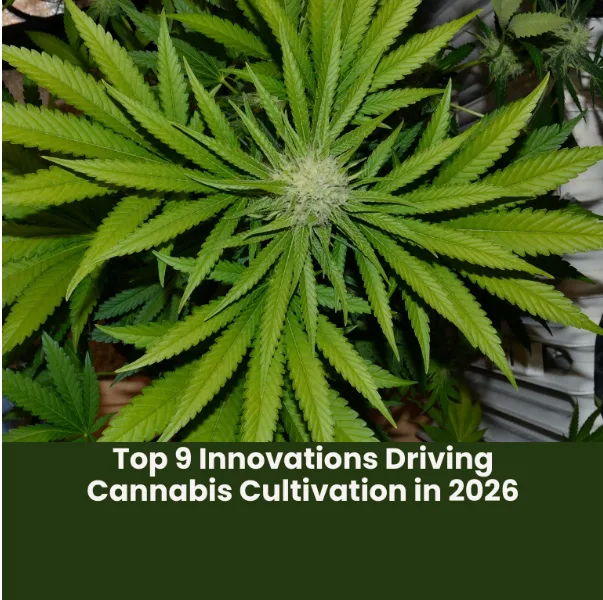
Top 9 Innovations Driving Cannabis Cultivation in 2026 and Transforming the Industry
Cannabis cultivation is evolving at an unprecedented pace. With legalization spreading across the United States and globally, producers are seeking innovative methods to increase efficiency, improve quality, and meet growing regulatory demands. The year 2026 promises to be a turning point as cutting-edge technologies and cultivation strategies reshape the industry from seed to sale. From AI-powered systems to sustainable growing practices, these innovations are enabling cultivators to optimize yields, reduce costs, and deliver consistent, high-quality products to consumers.
1. Artificial Intelligence and Machine Learning Are Revolutionizing Grow Room Management
Artificial intelligence (AI) is no longer a futuristic concept in cannabis cultivation—it is actively transforming how growers monitor and manage their operations. AI algorithms can analyze data from multiple sources, including humidity, temperature, light intensity, and nutrient levels, to predict plant growth patterns and optimize conditions.
Machine learning models help cultivators identify early signs of pests, mold, or nutrient deficiencies before they escalate, allowing for proactive interventions. Some AI systems even integrate with automated irrigation and lighting to adjust environmental parameters in real time.
Impact on cultivation: Growers can increase yields while reducing waste, energy consumption, and labor costs. AI also ensures consistent product quality, which is essential for medicinal cannabis where precision is critical.
2. Automated Cultivation Systems Reduce Labor Costs and Boost Efficiency
Automation in cannabis facilities is transforming the labor-intensive nature of cultivation. Robotic systems are now capable of performing tasks such as planting, trimming, pruning, and harvesting. These machines reduce manual labor requirements, improve efficiency, and limit human error.
Automated trimming robots, for example, can handle hundreds of plants per hour while maintaining consistency in bud shape and size. Similarly, automated irrigation and fertigation systems ensure each plant receives the exact amount of water and nutrients required, minimizing waste and optimizing growth.
Impact on cultivation: Facilities can scale operations without significantly increasing staff, lower labor-related expenses, and maintain higher quality standards.
3. Advanced Sensor Technology Enables Precision Growing
Sensor technology has become a cornerstone of modern cannabis cultivation. IoT (Internet of Things) sensors monitor critical environmental conditions, including temperature, humidity, CO₂ levels, pH, and nutrient concentrations in real time.
These sensors provide actionable insights, allowing cultivators to make precise adjustments that promote healthier plant growth. For example, leaf moisture sensors can prevent mold outbreaks, while soil and hydroponic nutrient sensors help maintain optimal growing conditions.
Impact on cultivation: Real-time data collection reduces crop loss, increases yields, and allows growers to maintain consistent cannabinoid profiles, which is essential for medical applications.
4. LED Lighting Innovations Improve Energy Efficiency and Plant Quality
Lighting is one of the most energy-intensive components of cannabis cultivation. In 2026, the adoption of advanced LED lighting systems continues to grow. Modern LEDs are highly efficient, produce less heat than traditional HID lights, and allow growers to customize light spectrums to optimize photosynthesis.
Some systems also incorporate dynamic lighting schedules that mimic natural sunlight cycles, enhancing plant development and terpene production. Programmable spectrum control allows growers to adjust wavelengths for vegetative growth, flowering, or even to influence specific cannabinoid levels.
Impact on cultivation: Reduced energy costs, improved plant health, and the ability to tailor cannabinoid and terpene profiles to meet market demand.
5. Hydroponics and Aeroponics Offer Faster Growth and Higher Yields
Soilless cultivation methods like hydroponics and aeroponics continue to gain popularity among cannabis cultivators. Hydroponics involves growing plants in nutrient-rich water solutions, while aeroponics suspends roots in the air and delivers nutrients via mist.
These systems allow for faster growth rates, higher yields, and precise control over nutrients, water, and oxygen levels. Additionally, hydroponics and aeroponics reduce the risk of soil-borne diseases and pests, leading to healthier crops.
Impact on cultivation: Optimized plant growth, increased efficiency in resource usage, and the ability to produce consistent, high-quality yields in controlled environments.
6. Genetic Research and Breeding Technologies Enhance Plant Traits
Advances in genetics and breeding techniques are enabling cultivators to develop cannabis strains with targeted traits. CRISPR and other gene-editing technologies allow breeders to enhance cannabinoid profiles, improve pest resistance, and increase tolerance to environmental stresses.
These innovations also support the development of strains with specific medicinal properties, such as higher CBD for pain management or unique terpene profiles for therapeutic effects.
Impact on cultivation: Faster development of optimized strains, reduced losses from pests or environmental stress, and the ability to meet the growing demand for customized cannabis products.
7. Data-Driven Cultivation Platforms Integrate Operations and Analytics
Integrated cultivation management platforms are becoming essential for large-scale cannabis operations. These software solutions consolidate data from grow rooms, processing facilities, and regulatory compliance systems. Growers can track plant health, nutrient usage, energy consumption, and labor efficiency from a single interface.
Data analytics provides actionable insights, such as identifying which strains perform best under specific conditions or predicting harvest timelines. Many platforms also integrate with blockchain technology to enhance supply chain traceability and quality assurance.
Impact on cultivation: Streamlined operations, better decision-making, improved compliance, and enhanced product quality.
8. Sustainable Cultivation Practices Reduce Environmental Impact and Costs
Sustainability is no longer optional in cannabis cultivation. Many facilities are adopting water-saving technologies, renewable energy sources, and waste-reduction strategies to reduce their environmental footprint.
Examples include recirculating hydroponic systems, solar-powered lighting, and composting organic waste. These practices not only conserve resources but also reduce operational costs over time. Consumers increasingly value sustainably produced cannabis, adding marketing benefits for eco-conscious operators.
Impact on cultivation: Lower energy and water costs, reduced environmental impact, and alignment with consumer preferences for sustainable products.
9. Advanced Extraction and Post-Harvest Technologies Preserve Quality
While cultivation is critical, post-harvest processing significantly affects final product quality. Innovations in extraction, drying, and curing are enabling producers to preserve cannabinoids, terpenes, and flavor profiles more effectively.
Supercritical CO₂ extraction, ethanol-based systems, and automated decarboxylation processes allow for precise control of potency and purity. Advanced drying and curing systems use controlled temperature and humidity to maintain terpene and cannabinoid integrity while minimizing mold risk.
Impact on cultivation: Higher-quality products, consistent potency, and safer, more efficient processing methods that meet regulatory and consumer standards.
Conclusion: Embracing Technology Is Key to Cannabis Cultivation Success in 2026
The cannabis industry in 2026 is being shaped by a convergence of technology, data, and sustainability. From AI-driven grow rooms to advanced extraction methods, these nine innovations are helping cultivators achieve higher yields, better quality, and safer operations.
For cannabis businesses, staying competitive means embracing these innovations while investing in staff training, regulatory compliance, and environmental stewardship. Facilities that adopt technology strategically can reduce operational risks, improve efficiency, and deliver the high-quality products that consumers increasingly demand.
As legalization continues to expand and the market grows more sophisticated, technology-driven cultivation will be the defining factor separating successful operations from those left behind.
Topic(s):
Download Article