OSHA Rules to Know Before Starting a Cannabis Business
As the cannabis industry continues to grow at a rapid pace, so does the responsibility of operators to create safe, compliant workplaces. Whether you’re opening a cultivation facility, dispensary, processing lab, or delivery operation, understanding Occupational Safety and Health Administration (OSHA) requirements is essential to staying in compliance and protecting your employees.
Under the Occupational Safety and Health Act of 1970 (OSH Act), employers are required to provide a workplace that is free from recognized hazards that are likely to cause death or serious injury. This rule applies to all employers regardless of business size or industry, including cannabis.
Below are key OSHA rules and standards every cannabis business owner should know before launching operations.
The General Duty Clause: Your Baseline Obligation
At the core of OSHA compliance is the General Duty Clause of the OSH Act. This clause requires all employers to provide a work environment that is “free from recognized hazards.” In practice, that means identifying and addressing potential risks—especially those that are common in the cannabis industry, such as:
Slips, trips, and falls in grow or processing areas
Exposure to mold, pesticides, and fertilizers
Fire hazards related to extraction equipment
Inhalation risks from dust or airborne particles
Ergonomic issues from repetitive tasks
Cannabis operators must assess their workspaces and practices with an eye toward these risks and implement preventive measures.
OSHA Recordkeeping and Reporting Requirements
OSHA mandates that employers with more than 10 employees maintain records of serious work-related injuries and illnesses. This includes:
OSHA Form 300: Log of Work-Related Injuries and Illnesses
Form 300A: Summary of Work-Related Injuries and Illnesses (posted annually)
Form 301: Injury and Illness Incident Report
Cannabis businesses—especially cultivation and manufacturing facilities—are likely to fall under these requirements. If an incident results in a fatality, hospitalization, amputation, or loss of an eye, it must be reported to OSHA within 8 to 24 hours, depending on the severity.
Hazard Communication (HazCom) Standard
Cannabis businesses frequently use hazardous chemicals such as cleaning agents, fertilizers, and solvents for extraction. OSHA’s Hazard Communication Standard (29 CFR 1910.1200) requires that employees be trained to understand the chemical hazards they may be exposed to on the job.
Key requirements include:
Keeping Safety Data Sheets (SDS) on-site for all hazardous chemicals
Ensuring all containers are labeled appropriately
Implementing a written hazard communication program
Providing employee training on chemical safety and emergency procedures
Failure to meet HazCom standards is one of the most frequently cited violations across industries—and cannabis is no exception.
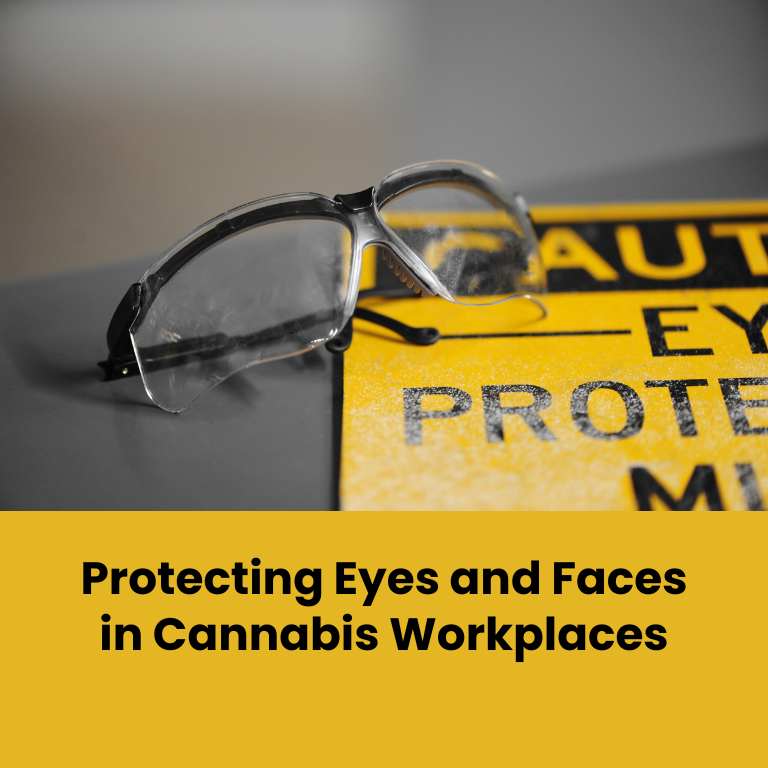
Personal Protective Equipment (PPE)
Based on the type of cannabis operation, employees may be exposed to hazards requiring personal protective equipment (PPE). OSHA’s PPE standard (29 CFR 1910 Subpart I) requires employers to:
Perform a hazard assessment to determine necessary PPE
Provide appropriate PPE (e.g., gloves, goggles, respirators) at no cost to employees
Train workers on proper use, maintenance, and limitations of PPE
Enforce the use of PPE on the job
In cultivation and processing, PPE can reduce risks related to chemical exposure, allergens, dust inhalation, and physical injuries.
Electrical and Fire Safety
Cannabis facilities often have complex electrical systems to power lighting, HVAC systems, and extraction equipment. OSHA’s electrical safety standards (29 CFR 1910 Subpart S) are essential for preventing fires and electrocution.
To comply, employers must:
Ensure electrical panels and outlets are properly installed and labeled
Avoid using temporary wiring or daisy-chained extension cords
Schedule regular inspections by certified electricians
Keep flammable materials stored safely
Install proper ventilation systems in areas using volatile substances
Operators using hydrocarbon extraction (e.g., butane, propane) must also adhere to process safety management (PSM) standards and local fire codes due to explosion risks.
Machine Guarding and Equipment Safety
Many cannabis production facilities use machinery to assist with tasks like trimming, packaging, labeling, or extraction. Under OSHA’s machine guarding standard (29 CFR 1910.212), employers must guard moving parts of equipment to protect employees from lacerations, amputations, or crushing injuries.
Additionally, all employees operating machinery must be properly trained and follow lockout/tagout procedures when performing maintenance.
Indoor Air Quality and Respiratory Hazards
In indoor cultivation facilities and extraction labs, air quality can pose a health risk. Employees may be exposed to:
Mold spores from plant material
Volatile organic compounds (VOCs) from solvents
Carbon dioxide (CO2) used to boost plant growth
OSHA does not have specific standards for indoor air quality, but it does enforce exposure limits for individual contaminants under 29 CFR 1910 Subpart Z (Toxic and Hazardous Substances).
To minimize respiratory risks, businesses should:
Install effective ventilation systems
Monitor air quality regularly
Provide respirators when required
Develop an OSHA-compliant Respiratory Protection Program if respirators are used
Ergonomics and Repetitive Motion Injuries
Cannabis trimming, packaging, and cultivation can involve repetitive tasks that lead to musculoskeletal injuries over time. While OSHA has no formal ergonomics standard, it may cite employers under the General Duty Clause if poor ergonomics cause recognized hazards.
Recommended best practices include:
Providing adjustable workstations
Rotating tasks to reduce strain
Encouraging frequent breaks
Training employees on proper posture and movement
Training and Documentation Are Critical
OSHA compliance isn’t just about equipment and signage. Employers must train workers on all applicable safety procedures and keep detailed documentation. Training should cover:
New hire onboarding
Chemical safety and PPE
Emergency evacuation plans
Equipment operation and maintenance
First aid and incident reporting
Training should be conducted annually and any time new hazards are introduced.
Prepare for Inspections and Stay Updated
OSHA inspections can be random, or they may be triggered by employee complaints, accidents, or referrals. To avoid penalties, cannabis businesses should:
Conduct regular self-audits
Maintain up-to-date safety programs
Keep all required signage visible (e.g., exit signs, PPE reminders, emergency contacts)
Stay informed on state and federal changes, as cannabis-specific guidance may evolve
While federal OSHA has yet to issue cannabis-specific standards, several state OSHA plans—like California’s Cal/OSHA—are developing or enforcing more targeted regulations for the industry.
Safety Is Not Optional in Cannabis Operations
Starting a cannabis business is about more than growing or selling a product—it requires a deep commitment to employee health and safety. From chemical handling to air quality, machine safety to recordkeeping, OSHA rules apply in full force to cannabis businesses, regardless of size or legality under federal drug policy.
By taking the time to build a robust workplace safety program before opening your doors, you’ll not only avoid costly fines you’ll create a sustainable, ethical operation that protects the people who make your business thrive.