OSHA’s Updated Heat Safety Rules Signal New Compliance Era for Cannabis Industry as Workplace Protections Tighten Across High-Risk Indoor and Outdoor Environments
The cannabis industry is preparing for new workplace safety expectations after the Occupational Safety and Health Administration announced updates to its heat hazard program, expanding guidance aimed at preventing heat-related illness in both indoor and outdoor work environments.
While heat safety rules are not specific to cannabis, industry operators say the updated framework has direct implications for cultivation facilities, extraction labs, distribution centers and retail operations that rely on climate-controlled environments or seasonal outdoor labor.
As extreme temperatures become more frequent in many regions, regulators are increasing scrutiny on how employers manage heat exposure risks—particularly in industries with enclosed workspaces, heavy equipment use and physical labor demands.
Expanded Heat Hazard Guidance Reflects Rising Workplace Risk From Extreme Temperatures and Climate Volatility Across Multiple Industries
OSHA’s updated heat hazard initiative builds on longstanding workplace safety standards but places greater emphasis on prevention, training and employer accountability when it comes to heat-related illness.
The agency has increasingly focused on heat stress as a serious occupational hazard, especially for workers in warehouses, greenhouses, agricultural environments and facilities with limited ventilation or high humidity.
For cannabis operators, these concerns are particularly relevant. Cultivation sites often involve greenhouse environments with elevated temperatures, while manufacturing and packaging facilities may experience heat buildup due to lighting systems, machinery and limited airflow.
Even retail operations can be affected, especially in regions where employees are required to work in back-of-house areas without consistent climate control.
Cannabis Cultivation Facilities Face Heightened Scrutiny Due to Greenhouse Conditions and Controlled Environment Risks
Indoor and greenhouse cultivation facilities operated by the cannabis cultivation industry are among the most directly impacted by updated heat safety expectations.
These facilities often rely on high-intensity lighting systems, dehumidifiers and temperature controls to optimize plant growth conditions. While these systems are essential for production, they can also create challenging working environments for employees tasked with trimming, harvesting and maintaining crops.
Heat stress risks increase significantly during harvest periods, when staffing levels rise and workers spend extended hours in warm, humid conditions.
Under updated OSHA guidance, employers are expected to take proactive steps to reduce exposure, including hydration protocols, rest breaks, environmental monitoring and training programs designed to identify early signs of heat illness.
Manufacturing, Extraction and Packaging Operations Must Address Equipment-Driven Heat Exposure and Indoor Climate Management
Beyond cultivation, cannabis extraction and manufacturing facilities face additional heat-related challenges due to the use of pressurized systems, solvents and processing equipment.
Extraction labs, particularly those using heat-based methods, can generate elevated ambient temperatures that require robust ventilation and safety controls.
Packaging and production lines may also experience heat accumulation from continuous machinery operation and limited airflow in enclosed industrial spaces.
OSHA’s updated focus on prevention means employers in the cannabis manufacturing industry are expected to evaluate whether existing safety protocols adequately address these conditions.
Retail and Distribution Operations Also Fall Under Broader Heat Safety Expectations in Warehouses and Delivery Environments
While often overlooked, cannabis retail and distribution operations are also impacted by heat safety standards, particularly in warehouse settings and last-mile delivery roles.
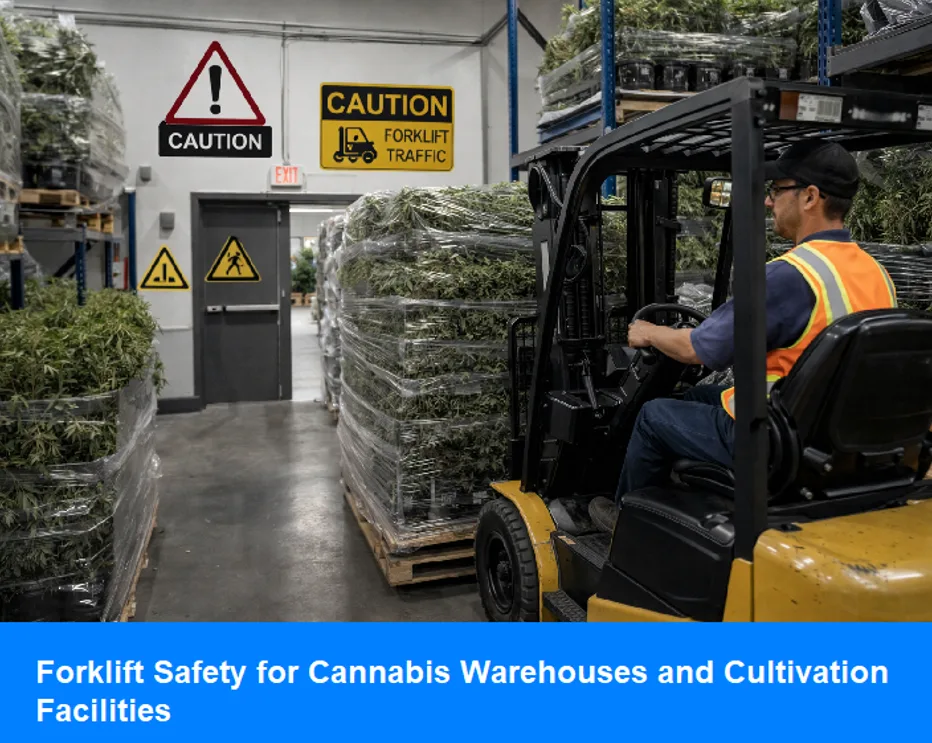
Workers in distribution centers may face elevated temperatures during summer months, especially in facilities lacking advanced HVAC systems or where loading docks are exposed to outdoor conditions.
Delivery drivers transporting products between cultivation sites, processing facilities and retail locations may also be exposed to prolonged heat during transit.
OSHA’s guidance reinforces that employers across all sectors—not just high-heat industries—must evaluate workplace conditions and implement mitigation strategies where necessary.
OSHA Emphasizes Prevention, Training and Early Intervention as Core Components of Heat Illness Protection Programs
The updated program highlights several core pillars: prevention of heat exposure, employee education, and rapid response protocols for heat-related symptoms.
Employers are encouraged to develop heat illness prevention plans that include acclimatization periods for new workers, scheduled hydration breaks, shaded or cooled rest areas, and clear procedures for emergency response.
Training is also a central component, with an emphasis on helping workers recognize symptoms such as dizziness, confusion, excessive sweating, nausea and heat exhaustion.
For cannabis employers, this means integrating safety protocols into daily operations rather than treating heat safety as an occasional concern.
The cannabis sector already operates under a complex web of state-level regulations covering licensing, testing, packaging and labor compliance. The addition of heightened workplace safety expectations adds another layer of operational responsibility.
Operators must now balance production efficiency with enhanced worker protections, particularly in labor-intensive environments such as cultivation and processing.
Industry consultants note that while many large operators already maintain formal safety programs, smaller businesses may face challenges implementing comprehensive heat mitigation systems due to cost and infrastructure limitations.
Industry Groups Likely to Push for Clear Cannabis-Specific Guidance as Federal Standards Evolve
As OSHA continues to refine its approach to heat safety, stakeholders in the cannabis industry are expected to seek clearer guidance tailored to controlled-environment agriculture and cannabis manufacturing.
Although current rules apply broadly across industries, cannabis-specific best practices could help operators better align compliance efforts with the unique demands of their facilities.
Advocates argue that clearer standards would reduce uncertainty and help ensure consistent protections for workers across states with legalized cannabis markets.
Climate Change and Expanding Legal Cannabis Markets Converge to Increase Urgency of Workplace Heat Protections
Rising global temperatures and the continued expansion of the legal cannabis industry are converging to create new workplace safety challenges.
As more states expand cultivation and production capacity, the number of workers exposed to heat-related risks is expected to grow.
OSHA’s updated heat hazard program reflects a broader recognition that climate conditions are becoming a defining factor in occupational safety policy.
For the cannabis industry, the shift signals that compliance will increasingly require not only regulatory awareness but also proactive investment in worker health and environmental controls.
Cannabis Employers Urged to Treat Heat Safety as a Core Operational Priority Rather Than a Seasonal Concern
Industry experts emphasize that heat safety should be integrated into year-round operational planning rather than treated as a summer-only issue.
This includes evaluating facility design, upgrading ventilation systems, implementing real-time temperature monitoring and ensuring staffing schedules account for peak heat periods.
As OSHA continues to elevate heat illness prevention within its enforcement priorities, cannabis operators that fail to adapt may face increased regulatory and operational risks.
For an industry still in its growth phase, the message from regulators is clear: worker safety expectations are rising, and heat exposure is now firmly part of the compliance landscape.