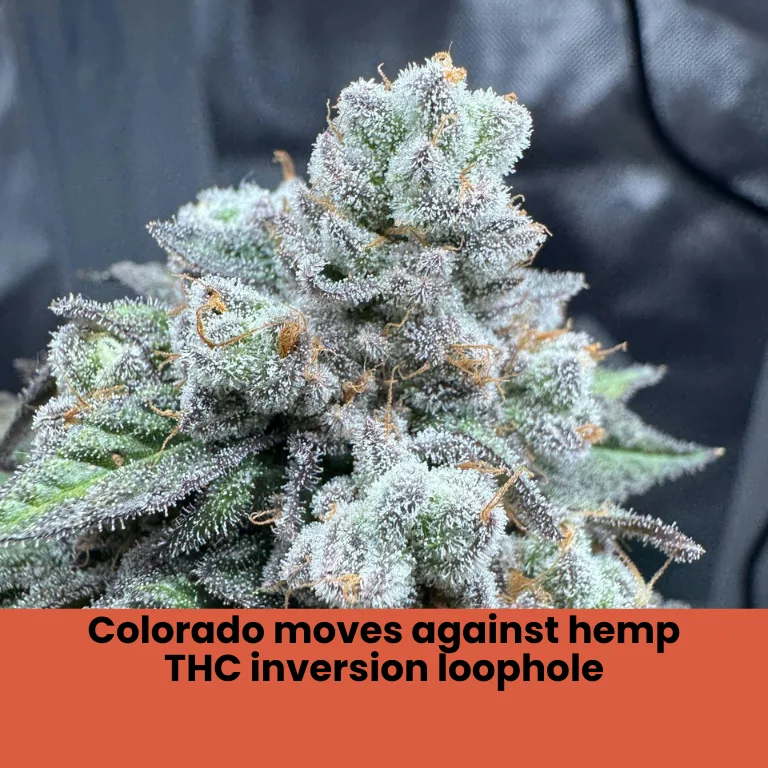
Colorado Regulators Warn of “Serious Risks” as Hemp THC Inversion Crackdown Intensifies
Colorado cannabis regulators are escalating enforcement against hemp THC inversion, citing “serious risks to public safety, market integrity and tax revenue” as justification for a tougher stance on the controversial practice.
The state’s Marijuana Enforcement Division (MED) said it will pursue penalties against violators, including license suspensions or revocations, fines and potential referrals to law enforcement. The move signals a more aggressive posture after years of criticism that regulators have not acted swiftly enough to curb illicit activity within the market.
Mounting Evidence and Industry Concerns Raise Questions About Whether Inverted THC Poses a Public Safety Threat
Allegations of THC inversion have lingered over Colorado’s cannabis industry for years, with critics arguing that the practice introduces unsafe products while distorting fair competition.
Inversion typically involves chemically converting hemp-derived CBD into THC. This process allows manufacturers to produce cheaper distillates used in vape cartridges and edibles. However, the conversion can involve hazardous substances such as methylene chloride, a chemical associated with cancer and other serious health risks.
Concerns extend beyond the chemicals themselves. Some operators are accused of sourcing hemp biomass from out of state, bypassing Colorado’s regulated cannabis supply chain and its associated safety standards. The result, critics say, is a shadow pathway for intoxicating products to enter licensed dispensaries.
Investigations by ProPublica and The Denver Gazette have highlighted regulatory gaps that allegedly allowed hemp-derived THC products to reach store shelves even after the state banned intoxicating hemp products. Reporting also pointed to identifiable markers of illegal conversion detectable through laboratory testing.
A 2024 contamination case underscored the risks. Investigators found vape products containing methylene chloride, intensifying scrutiny of manufacturing practices tied to inversion.
Despite these findings, some industry stakeholders argue that enforcement has lagged, allowing questionable practices to persist.
New Rules, Enhanced Testing and Data Scrutiny Form the Core of Colorado’s Plan to Combat THC Inversion
In its latest bulletin, the MED outlined a series of steps aimed at identifying and eliminating inversion from the regulated market.
The agency plans to introduce emergency rules, including updated testing protocols designed to detect inverted THC and prohibited manufacturing methods. Regulators will also increase oversight of transactions logged in the state’s track-and-trace system.
Certain patterns will be flagged as potential indicators of inversion. These include suspiciously low-cost transfers between licensees, such as transactions reported at nominal values, and discrepancies in how transfers are categorized. Regulators will also examine unusually high yields or outputs that exceed typical market behavior or a licensee’s historical production levels.
Additional red flags include incomplete documentation, such as missing surveillance footage, certificates of analysis or transfer receipts. While the MED acknowledged that such gaps can make it difficult to directly prove inversion, it emphasized that they may still demonstrate attempts to conceal illicit activity.
Even in cases where inversion cannot be definitively established, regulators said they will pursue enforcement actions based on evidence of noncompliance.
Legal Disputes and Industry Frustration Highlight Claims That Inversion Has Cost Colorado Millions in Tax Revenue
The enforcement push comes amid ongoing tensions between regulators and cannabis operators who argue that insufficient oversight has had financial consequences for the state.
In 2024, Colorado cultivator Mammoth Farms filed a lawsuit alleging that the MED failed to address inversion, resulting in millions of dollars in lost tax revenue. The case was ultimately dismissed, with a judge declining to impose new regulatory requirements on the agency.
Mammoth CEO Justin Trouard has been particularly vocal, describing inversion as a “blueprint for laundering marijuana” into the regulated system. He pointed to irregular transfers between licensees as one method by which illicit THC could be introduced into legal sales channels.
The MED’s renewed enforcement efforts suggest regulators are now attempting to close those gaps. Whether the crackdown will restore confidence in the market and address long-standing safety and revenue concerns remains to be seen.
OG source Download Article