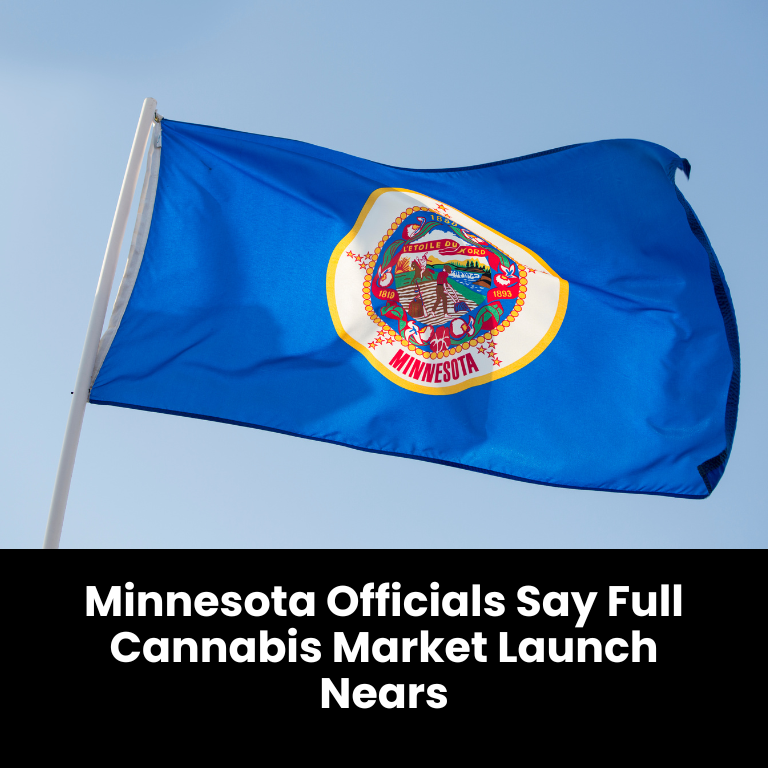
Minnesota’s Full Cannabis Retail Market Finally Approaches Launch After Delays, Licensing Milestones, and Tribal Partnerships
As dusk settles over the intersection of West 25th Street and South Lyndale Avenue in Minneapolis, groups of people gather outside the Loon Smoke Shop. This unassuming business has long been a staple for those seeking vaping products and glassware, but now it’s preparing to evolve into one of the state’s newest cannabis dispensaries. With state approval nearly in hand and job postings online for budtenders and store managers, the Loon Dispensary is a symbol of a broader shift: Minnesota’s long-awaited marijuana retail market is almost here.
After a Slow Start, State Regulators Begin Approving Non-Tribal Cannabis Businesses
Minnesota legalized recreational cannabis in 2023, with the aim of launching a fully operational market by 2025. But while some states have fast-tracked retail sales by leaning on existing medical dispensaries, Minnesota chose a different route—building a system from the ground up that emphasizes social equity and tribal sovereignty. That choice brought with it complex regulatory tasks, staffing transitions, and slower progress than expected.
Now, the pace is quickening. In recent weeks, the Minnesota Office of Cannabis Management (OCM) granted final approvals for five non-tribal cannabis businesses, including cultivators and retailers in cities such as Albert Lea, Isanti, and Plainview. These companies, including The Smoking Tree and Roots and Resin Farm, represent the first wave of state-licensed operators outside of the tribal networks that have been leading cannabis commerce since 2023.
Minnesota’s Tribal Nations Continue to Lead the Way in Legal Cannabis Sales
While the state apparatus worked to finalize rules and create application systems, Minnesota’s tribal nations took swift action. Thanks to provisions in the legalization law that recognize tribal sovereignty, Native American communities were able to launch their own cannabis programs independently. The Red Lake Nation opened the first recreational dispensary in August 2023, with others quickly following.
These tribes are also permitted to operate cannabis businesses beyond reservation lands if they enter regulatory agreements with the state. In May 2024, the White Earth Nation signed such a compact and has since opened dispensaries in cities like St. Cloud and Moorhead.
Minnesota’s partnership model with tribal nations is unique nationwide. It has allowed legal cannabis commerce to begin even as the broader market rollout faced delays. Though some non-tribal entrepreneurs express concern that tribes got a head start, others are optimistic about collaboration—including sourcing cannabis products from tribal cultivators.
New Licensing Lottery System Focuses on Social Equity and Market Diversity
In June, the OCM held a cannabis business license lottery that prioritized social equity applicants. From a pool of hundreds, 249 winners were selected. To qualify, applicants needed to meet at least one of several criteria, such as having a past cannabis-related conviction, being from a low-income area, or having served in the military.
A second lottery in July awarded 75 additional pre-approval slots to general applicants. Winners from both rounds now face a complex path to full licensure, involving zoning reviews, criminal background checks, labor peace agreements, and final municipal approvals.
While Minnesota law prevents local governments from banning cannabis businesses entirely, cities and counties can influence where and how those businesses operate. Rules like minimum distances from schools and zoning compliance have introduced additional delays.
Shifting Leadership and Administrative Hurdles Slowed Progress Toward 2025 Target
Part of the reason recreational dispensaries weren’t open statewide by 2025, as originally planned, lies in administrative disruption. The OCM has seen multiple leadership changes, including the appointment of Eric Taubel as interim director after prior staffing missteps drew scrutiny from the state legislative auditor.
Despite these early obstacles, Taubel is now steering the agency toward a more streamlined future. According to him, the bottleneck is no longer on the government side—businesses must now navigate the application requirements and local approvals to open.
Cannabis Entrepreneurs Now Bear Responsibility as Regulatory Path Clears
With state approvals now being issued more regularly, the burden has shifted to licensees to fulfill remaining obligations and launch their operations. This includes securing properties, gaining city council support, building out compliant facilities, and hiring staff. For many, like the Loon Dispensary in Minneapolis, this marks an exciting but demanding stage.
Interim director Taubel emphasized that the licensing process has reached a point where delays are primarily driven by applicants rather than state inefficiency. The focus now is on helping these early entrants meet the final requirements and open their doors.
Taxation Concerns Emerge as Legal Market Expands, with a 15% Cannabis Excise Tax Taking Effect
As Minnesota’s legal marijuana market gains traction, concerns over pricing are beginning to surface. The 2026 state budget raised the cannabis excise tax from 10% to 15%. Combined with state and local sales taxes, total tax rates on cannabis purchases could exceed 20%.
This level of taxation has raised alarms among industry advocates, who fear it could deter consumers from transitioning away from the illicit market. Critics argue that excessive taxes could undermine the social and economic goals of legalization by pushing buyers toward unregulated, untaxed alternatives.
State officials, however, contend that Minnesota’s tax rate is moderate compared to other jurisdictions. While Washington state levies a 37% excise tax on cannabis, Connecticut imposes just 3%. Minnesota’s position sits somewhere in the middle of this national spectrum.
Broader Market Launch Expected by Late 2025 as Dozens of New Stores Prepare to Open
Despite past delays, Minnesota is now on track to see a broad expansion of legal cannabis retail operations by late 2025. Officials estimate that as many as 150 new cannabis businesses could be open by the end of the year, with many led by first-time entrepreneurs and social equity applicants.
The rollout is slower than some states, but supporters argue that Minnesota’s measured and inclusive approach will ultimately lead to a more equitable, resilient industry. The state has prioritized fairness, local input, and long-term regulation over a rapid launch—an approach that may serve it well in the years ahead.
As cannabis cafes, infused products, and recreational flower sales enter the mainstream, the next phase of Minnesota’s marijuana market promises both economic growth and cultural transformation. Whether at tribal dispensaries or new city shops like the Loon Dispensary, legal cannabis in Minnesota is finally stepping out of the shadows and into the spotlight.
OG source Download Article