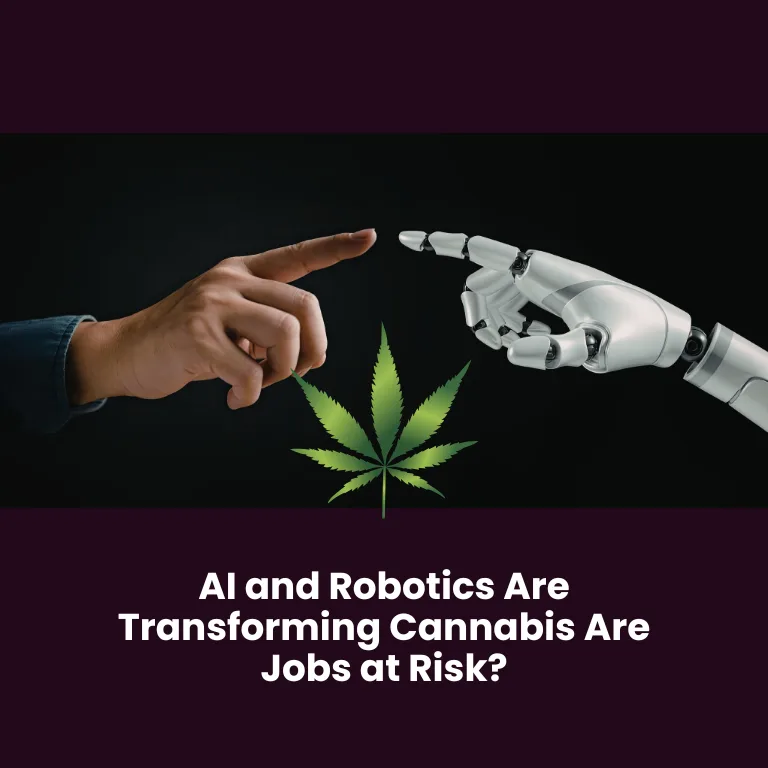
The cannabis industry has come a long way from its underground roots. Today, it’s a sophisticated ecosystem that blends pharmaceutical-grade production, precision agriculture, and advanced retail operations. But as cannabis businesses scale, one issue continues to challenge even the most compliant operators—chemical safety.
From extraction labs using volatile solvents to cultivation facilities relying on fertilizers and cleaning agents, chemical management has become a core pillar of operational safety and compliance. Yet, safety professionals across the sector still face an uphill battle: outdated data sheets, inconsistent training, and reactive safety programs that can’t keep up with the pace of production.
Artificial intelligence (AI) is beginning to change that story. By automating tedious processes, predicting risks, and connecting fragmented safety systems, AI is giving cannabis operators something they’ve needed for years—clarity and control.
Why Chemical Risk Management Is So Crucial in Cannabis
Chemical risk management is the backbone of safety in any operation that handles hazardous substances. In the cannabis industry, this includes everything from ethanol used in extraction and cleaning solvents in packaging rooms to nutrients and pesticides in cultivation.
It’s not just about preventing injuries. Poor chemical management can lead to contamination, product recalls, regulatory violations, and even license loss. As the U.S. cannabis market edges toward $45 billion by 2027, the need for standardized chemical risk programs is intensifying.
Regulations such as OSHA’s Process Safety Management (PSM) of Highly Hazardous Chemicals, the Globally Harmonized System (GHS) for classification and labeling, and 29 CFR 1926 Subpart Z—which governs toxic substances—apply to cannabis facilities just as they do to any other industrial operation.
Yet, the reality for many cannabis businesses is far from perfect. Safety professionals often face:
Outdated or missing safety data sheets (SDS)
Disorganized chemical inventories that don’t match real usage
Annual training cycles that fail to address emerging hazards
Manual spreadsheets and disconnected systems that limit visibility
These gaps create risk—and for an industry where compliance is tightly scrutinized, even minor oversights can lead to major consequences. That’s where AI-driven safety management enters the picture.
How Artificial Intelligence Is Reshaping Chemical Safety
AI isn’t just about automation—it’s about foresight. Instead of reacting to incidents, AI helps cannabis operators anticipate and prevent them. From analyzing lab data to spotting unsafe practices through image recognition, AI tools bring speed, precision, and intelligence to chemical safety management.
Below are five ways AI is redefining how cannabis companies manage chemical risk.
1. Hazard Prediction and Detection
AI can review incident reports, equipment logs, and site images to detect patterns of unsafe behavior or emerging risks. For example, if one extraction line shows repeated solvent leaks or higher-than-normal air quality readings, the system flags it before an incident occurs.
With image-recognition tools like HSI’s “Spot the Hazard,” safety teams can upload photos of grow rooms or production labs, and the system automatically identifies visible risks—unlabeled drums, missing PPE, or improper storage of flammables.
This proactive scanning helps cannabis facilities stay audit-ready and reduces reliance on human memory or manual inspections. In an industry where flammable solvents and pressurized gases are common, catching issues early can mean the difference between prevention and disaster.
2. AI-Driven SDS Data Management
Managing safety data sheets is a necessary but often painful process. Every chemical in a cannabis operation must have an SDS that’s accurate, accessible, and current. Yet, many companies still manage these documents manually—leaving room for error.
AI simplifies SDS management by automatically cross-referencing your inventory with the latest SDS databases. If a new chemical enters the facility without a corresponding data sheet, or if an older version is still in use, the system instantly alerts safety managers.
This real-time tracking ensures teams always have the right information during audits or emergencies. And when inspectors show up unannounced—a common occurrence in regulated cannabis markets—operators can produce compliant SDS records in seconds, not hours.
3. Corrective Action and Root Cause Intelligence
When incidents occur, AI helps eliminate the guesswork from root cause analysis. It reviews past incidents, training histories, and process data to suggest corrective actions tailored to the specific problem.
If a near-miss involves cleaning chemicals, for instance, the system may recommend targeted retraining for all employees who handle that material. It might even adjust inspection frequency or suggest replacing outdated containers.
By transforming corrective actions from reactive responses into data-driven decisions, AI reduces recurrence and demonstrates accountability—two things regulators appreciate during post-incident reviews.
4. Proactive and Personalized Safety Training
Traditional training schedules often miss the mark. Many cannabis facilities rely on annual safety refreshers that treat everyone the same, regardless of job role or exposure level. AI personalizes this process.
Using role-based analytics, AI platforms identify who handles which chemicals, how often, and under what conditions. A trimmer working with cleaning agents might get refresher content on skin exposure and ventilation, while a lab technician receives advanced training on solvent recovery and explosion prevention.
This approach saves time, improves retention, and keeps employees engaged with relevant material. It also ensures that safety training aligns with actual risk, rather than a generic compliance checklist.
5. Real-Time Dashboards and Predictive Reporting
One of AI’s most powerful features is its ability to consolidate complex safety data into a single, visual dashboard. Cannabis operators can see live chemical inventories, outstanding corrective actions, and training completion rates all in one place.
Leaders can track trends like rising incidents in one facility or repetitive hazards in a particular shift. The system can even forecast potential safety hotspots before they occur—giving teams the chance to act preemptively.
For multi-state cannabis operators managing dozens of facilities, these AI dashboards offer much-needed visibility across their entire footprint. Instead of juggling spreadsheets or disconnected EHS platforms, they can monitor performance, compliance, and incident trends from one unified system.
Bringing It All Together: The HSI Intelligence Model
Companies like HSI (Health & Safety Institute) are leading the charge by integrating these AI capabilities into unified platforms like HSI Intelligence.
For cannabis operators, this means chemical safety programs can now run with less friction and greater accuracy. HSI’s system uses AI to:
Analyze images of workspaces and identify hazards before inspections
Assign targeted corrective training based on real incidents
Keep SDS libraries and chemical inventories synchronized
Deliver real-time alerts and performance insights across sites
The system works quietly in the background, continuously learning from data inputs and refining its recommendations. The result? Safety professionals spend less time on clerical tasks and more time on proactive management—creating safer, more compliant cannabis facilities.
Why AI Driven Safety Is the Future of Cannabis Compliance
As the cannabis industry continues to professionalize, AI will play a central role in bridging the gap between compliance and culture.
By using predictive intelligence and real-time insights, cannabis companies can:
Reduce chemical-related incidents and product contamination
Strengthen compliance documentation for state and federal inspections
Improve employee training engagement and retention
Enhance operational efficiency without adding administrative load
Safety isn’t just a legal requirement—it’s a brand differentiator. In a market where reputation matters as much as product quality, AI-powered chemical safety offers both protection and performance.
The cannabis industry has always been innovative by necessity. Now, it’s leveraging that same innovation to make workplaces smarter, safer, and more sustainable.