The Growing Role of Agentic AI in the Cannabis Industry
Agentic artificial intelligence (AI) is beginning to transform how businesses grow, process, and distribute cannabis products. From predictive analytics in cultivation to autonomous decision-making in retail supply chains, AI systems are enabling cannabis operators to streamline operations, increase efficiency, and reduce costs.
However, as these systems become more powerful and autonomous, the need for human insight, judgment, and ethical guidance remains more crucial than ever. Agentic AI—AI that can act with a degree of independence and make its own decisions within set parameters—can bring enormous benefits. But without the human touch, these systems risk amplifying biases, overlooking cultural nuances, and missing the empathy that defines customer and employee engagement.
The cannabis industry, with its complex regulatory environment, social equity considerations, and sensitive consumer base, provides a particularly interesting case study in how AI and human expertise must coexist to achieve sustainable success.
Understanding Agentic AI: More Than Just Automation
Agentic AI differs from traditional automation in that it can analyze data, make choices, and adapt to changing circumstances without constant human direction. In cannabis operations, this means AI can dynamically adjust lighting and irrigation in cultivation facilities, forecast consumer trends, or optimize inventory management across multiple retail outlets.
For example, an agentic AI system can analyze thousands of environmental and chemical variables to determine the best growing conditions for a particular cannabis strain, improving yield and potency. Similarly, AI-driven retail algorithms can anticipate when specific products will be in high demand—such as edibles before holidays or concentrates during festival seasons—and adjust marketing and supply chain strategies accordingly.
Yet, even the most advanced agentic systems depend on human oversight to ensure they are aligned with company goals, ethical standards, and legal frameworks. Without the human element, these AI systems may make decisions that are technically efficient but socially or morally problematic.
Why Human Insight Still Matters in an AI-Driven Cannabis Landscape
The cannabis sector is not like other industries. It operates at the intersection of science, regulation, culture, and wellness. This complexity makes human judgment indispensable, even as agentic AI becomes more capable.
Humans provide the context, empathy, and ethical reasoning that machines cannot replicate. For instance, an AI may recommend removing a product line based purely on profitability, but a human operator might recognize that the product serves a niche community of medical patients who rely on it for specific therapeutic benefits.
Human insight is also critical in ensuring that AI systems do not unintentionally perpetuate biases or violate social equity goals. Since AI models learn from data, they can absorb the historical inequalities embedded in that data—such as disparities in cannabis licensing or law enforcement practices. Human oversight helps identify and correct these blind spots, ensuring that AI contributes to fairness rather than reinforcing old inequities.
Integrating Human and AI Collaboration in Cultivation and Manufacturing
In cannabis cultivation, agentic AI technologies are being integrated into precision agriculture systems that control light intensity, nutrient delivery, and humidity in real-time. These systems can detect subtle changes in plant health that might be invisible to the human eye.
However, master growers and agricultural scientists bring something AI cannot—intuition and experiential knowledge. Years of hands-on experience allow human cultivators to sense the “personality” of a plant, noticing minute variations in color, texture, and aroma that even the most advanced sensors might miss.
By combining data-driven insights from agentic AI with human expertise, cannabis producers can achieve optimal yields without sacrificing product quality. The collaboration ensures that technological precision complements, rather than replaces, the artistry and care that define premium cannabis cultivation.
AI in Cannabis Retail: Enhancing Consumer Experience, Not Replacing It
In cannabis retail operations, agentic AI tools are being used to personalize product recommendations, manage inventory, and predict demand patterns. These systems can help dispensaries reduce waste, optimize pricing, and enhance customer satisfaction through data-informed decision-making.
For example, AI-driven point-of-sale software can track consumer behavior and recommend the most effective upsells or bundle deals. Meanwhile, predictive algorithms help retailers anticipate demand fluctuations, ensuring that popular products remain in stock while avoiding overproduction.
Yet, cannabis consumers often seek more than just efficiency—they want education, empathy, and trust. Budtenders and human sales staff play a vital role in translating data insights into meaningful human interactions. They can empathize with a customer’s needs, answer sensitive questions, and provide personal reassurance that AI cannot deliver.
Therefore, the future of cannabis retail lies not in replacing humans with machines but in empowering humans through AI. Agentic AI should act as an assistant and advisor, enabling retail teams to focus on building deeper relationships with consumers.
Ensuring Ethical and Responsible AI in Cannabis Operations
The integration of AI into cannabis operations raises important ethical and regulatory questions. Who is responsible if an AI system makes a decision that violates compliance standards or results in biased hiring or marketing practices? How can companies ensure transparency in AI-driven recommendations that affect medical patients or marginalized groups?
Human oversight provides the moral compass and accountability necessary to navigate these challenges. Cannabis operators must establish clear governance frameworks for AI use, including transparency in decision-making, continuous auditing of data inputs, and mechanisms for human intervention when AI actions conflict with ethical or legal boundaries.
This human-centered approach is especially important in the cannabis sector, where trust and transparency are essential for maintaining public confidence and regulatory approval.
Training the Next Generation of AI-Literate Cannabis Professionals
As agentic AI becomes a standard tool in the cannabis industry, there will be a growing need for professionals who can bridge the gap between technology and human understanding.
This includes training cannabis industry workers—cultivators, lab technicians, marketers, and compliance officers—to understand how AI systems work, what data they rely on, and how to interpret their outputs responsibly.
Educational programs, workshops, and partnerships between AI developers and cannabis training institutions can ensure that future industry leaders are equipped to collaborate effectively with intelligent systems while maintaining human judgment at the center of operations.
The goal should be to create AI-literate human teams, not AI-dependent ones—professionals who can leverage machine intelligence without losing the ability to question, interpret, and empathize.
The Future: A Symbiotic Relationship Between AI and Humanity
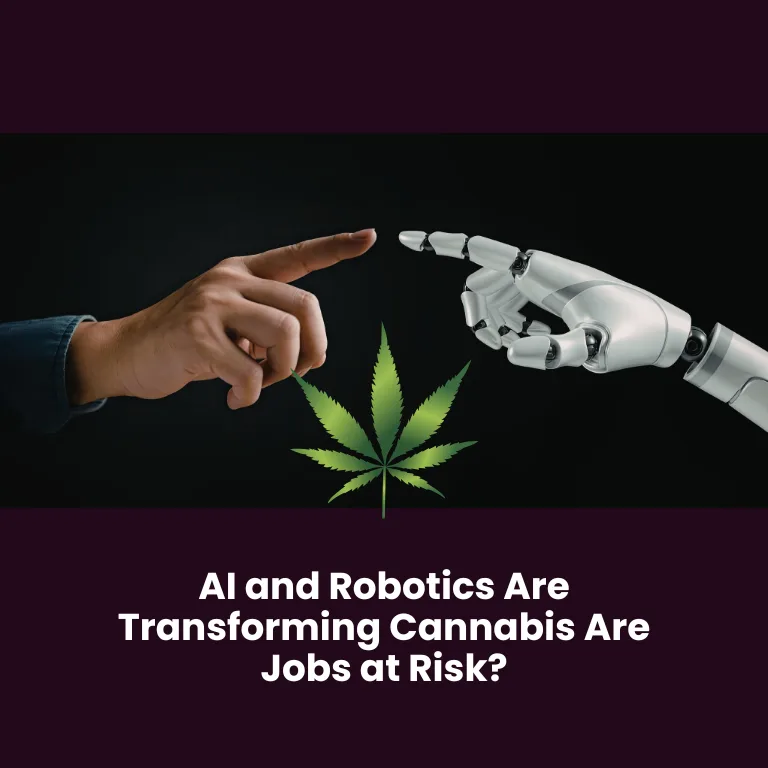
The cannabis industry stands at a critical inflection point where technology and humanity must work together to define its next chapter. Agentic AI offers the potential to revolutionize everything from plant genetics to retail logistics, but it cannot replace the values, culture, and compassion that drive the cannabis movement.
As agentic AI grows more autonomous, human oversight will be the anchor that keeps the industry aligned with its founding principles: wellness, equity, and responsible innovation. The future of cannabis operations will depend on the ability to balance machine efficiency with human empathy, creating an ecosystem where technology serves people not the other way around.
In that future, the cannabis companies that thrive will not be those that fully automate but those that harmonize AI-driven precision with the wisdom of human experience.