Cannabis May Be Rescheduled Under Federal Law as Soon as Today, but Key Details and Timing of the Process Remain Uncertain
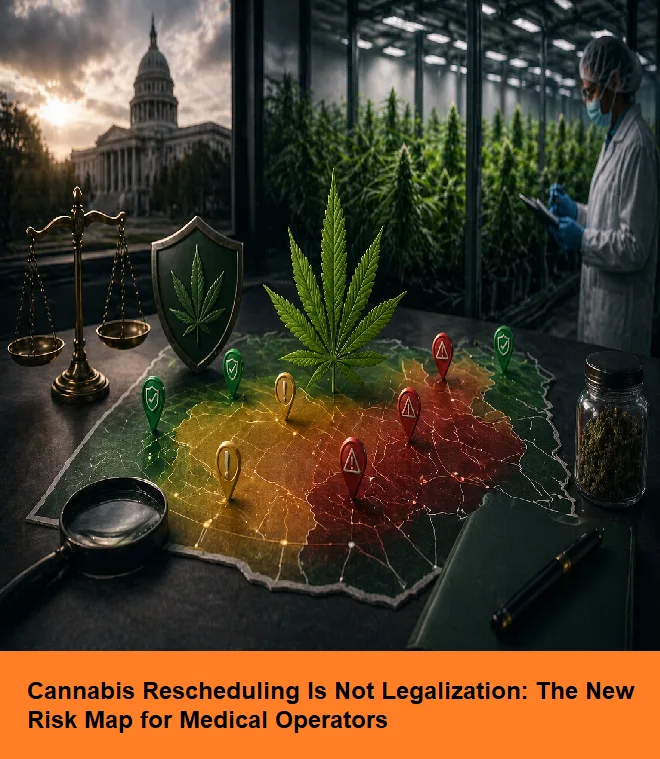
Cannabis could be downgraded under federal law as soon as today, according to a report from Axios citing an unnamed administration official familiar with the matter. If finalized, the move would shift marijuana to Schedule 3 of the Controlled Substances Act, a classification that acknowledges medical use and could ease tax burdens on cannabis businesses.
However, despite growing expectations, the exact timing of when marijuana would officially be rescheduled remains unclear. Sources close to the situation told MJBizDaily that while momentum appears to be building, there are still procedural steps ahead before any formal change takes effect.
Two individuals with knowledge of the matter, speaking on condition of anonymity, confirmed the Axios report. One source expressed confidence in the immediacy of the development, stating bluntly, “Today’s the day.” Still, both cautioned that additional processes must be completed before the change becomes official.
Details surrounding those remaining steps such as the formal rulemaking timeline or the potential for legal challenges—were not immediately available as of Wednesday. Opponents of cannabis reform have previously indicated they may seek to delay or block rescheduling through the courts, adding another layer of uncertainty.
Trump Pushes for Rapid Cannabis Rescheduling as Federal Agencies Face Criticism for Delays
The anticipated move follows a Dec. 18 executive order in which President Donald Trump directed federal agencies to complete marijuana rescheduling “in the most expeditious manner possible.” Even so, the process appeared to face delays as recently as last weekend, when Trump publicly criticized agencies for “slow-walking” the effort.
Institutional resistance is not new to the issue. During the previous administration, federal health regulators recommended rescheduling cannabis in August 2023. Although the Justice Department later affirmed the legal basis for the change in a May 2024 memo, the Drug Enforcement Administration did not complete the required rulemaking process before the presidential transition.
Efforts to move the process forward were further complicated by canceled hearings before a DEA administrative law judge, amid allegations that the agency itself had hindered progress.
Trump’s executive order marked a more direct intervention than prior efforts, signaling a stronger push from the White House to resolve the issue.
Personal Influence and Industry Advocacy Play a Role in Shaping Cannabis Policy Shift
The president’s stance on cannabis rescheduling has also reportedly been shaped by personal relationships and advocacy from influential figures. Among them is billionaire Howard Kessler, a Mar-a-Lago Club member who has credited CBD with aiding him during cancer treatment.
Kessler, along with Kim Rivers, CEO of Florida-based cannabis operator Trulieve Cannabis Corp., was present in the Oval Office when Trump signed the December executive order.
Their involvement highlights the growing intersection of personal advocacy, industry influence, and federal policymaking as the cannabis sector continues to push for broader legalization and regulatory reform.
While expectations for a rescheduling announcement are high, uncertainty around timing, implementation, and potential legal hurdles means the final outcome and its immediate impact remains to be seen.
OG source Download Article