Heritage Distilling to Close Tasting Rooms and Refocus Business Model Amid Evolving Consumer Habits
A popular independent craft spirits distillery is scaling back its operations—partly because more adults are choosing marijuana over alcohol.
Heritage Distilling Company, Inc., a well-known producer of whiskey and other craft spirits with facilities in Oregon and Washington State, announced Thursday that it plans to close its tasting rooms, shift toward contract production partnerships, and focus primarily on direct-to-consumer sales.
In a statement, the company said its restructuring was influenced by “a confluence of factors,” including taxation, regulation, and “consumer shifts toward reduced alcohol consumption and alternative products, including marijuana.”
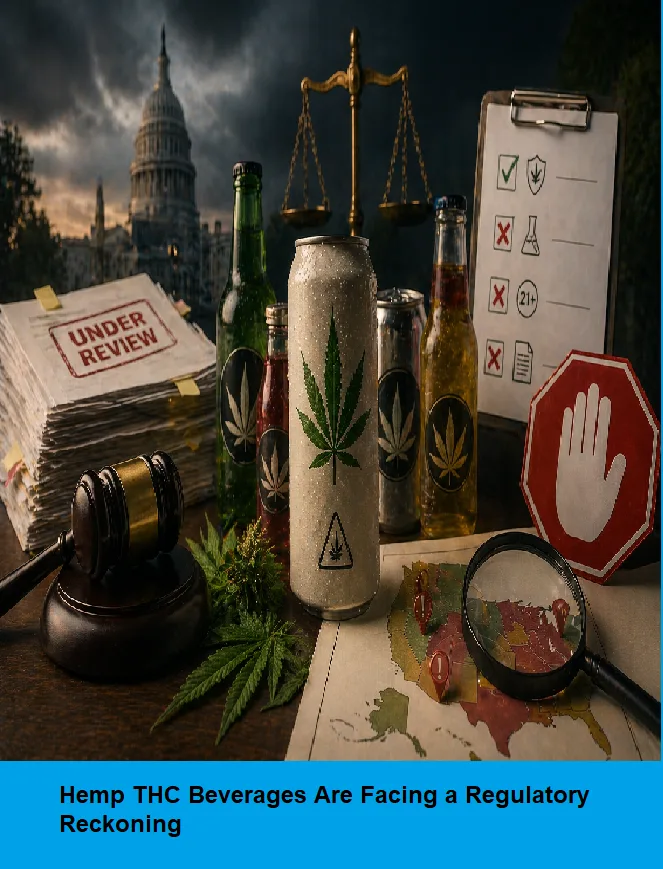
The announcement reflects broader trends reshaping the alcohol industry as legalization expands and consumers increasingly turn to cannabis and THC-infused beverages for social and recreational use.
Industry-Wide Pressure: Cannabis’s Rise Puts Alcohol Makers on Edge
Heritage’s decision adds to growing evidence that cannabis consumption is cutting into alcohol sales and reshaping the landscape of social drinking.
Earlier this year, Brown-Forman Corporation the maker of Jack Daniel’s and Woodford Reserve—acknowledged that the popularity of marijuana is putting “pressure” on the spirits market.
That concern is being felt across the industry. Major alcohol producers such as Anheuser-Busch, Bacardi North America, and Moët Hennessy USA have increased their federal lobbying around cannabis legislation, hoping to influence the rules governing THC products and protect their share of the adult beverage market.
With cannabis-infused beverages rapidly gaining traction, the lines between the alcohol and marijuana industries are becoming increasingly blurred.
Heritage Distilling Bids Farewell to Tasting Rooms After a Decade
For more than 10 years, Heritage Distilling’s tasting rooms served as community gathering spaces in the Pacific Northwest, offering tours, tastings, and special events that connected customers with the craft spirits experience.
In a heartfelt statement, company president Jennifer Stiefel said Heritage wanted to give loyal patrons a chance to visit the tasting rooms one final time before they close later this year.
The closures mark a strategic pivot as the distillery leans on partnership production and online sales—a move that reflects the modern consumer shift toward convenience and at-home consumption.
Tax and Regulatory Challenges Add Pressure to Small Distillers
In addition to changing consumer habits, Heritage Distilling cited tax and regulatory pressures in both Oregon and Washington as contributing factors to its business realignment.
These states, known for their progressive cannabis laws, also have some of the highest alcohol excise taxes in the nation. Compliance costs for small-scale distillers can be burdensome, particularly as consumer demand for spirits plateaus and competition from cannabis intensifies.
While large corporations can absorb such costs, many independent producers like Heritage are finding it difficult to maintain profitability without restructuring.
Alcohol Industry Faces a Cultural Shift as Cannabis Normalizes
The impact of marijuana legalization on alcohol consumption has been well-documented over the past decade. Analysts describe it as one of the most significant cultural and economic shifts in modern American leisure habits.
A poll released earlier this month found that a majority of Americans believe marijuana is a healthier option than alcohol, and most expect it to be legal nationwide within five years.
Another survey of cannabis beverage consumers found that four in five have reduced their alcohol intake, and more than 20 percent have stopped drinking alcohol altogether.
Meanwhile, millennials and Gen Z adults—two key demographics for both alcohol and cannabis sales—are driving the trend toward moderation and substitution. According to a new poll of 1,000 young professionals, one in three now prefer THC-infused beverages to alcohol for after-work socializing and weekend gatherings.
These generational shifts are forcing beverage companies to reconsider what “drinking culture” means in an era of wellness, convenience, and plant-based alternatives.
THC Beverages Enter Mainstream Retail as Corporate America Takes Notice
The growing demand for THC-infused drinks has caught the attention of major brands and retailers.
This month, Target revealed that it is soft-launching cannabis beverages at select stores in Minnesota, one of the few states where hemp-derived THC drinks can be legally sold in mainstream retail environments.
Meanwhile, the Veterans of Foreign Wars (VFW) organization recently announced a partnership with a hemp THC beverage company. The collaboration, which includes a branding and licensing deal, will make cannabis beverages available at VFW posts nationwide to help support veterans’ services.
This development marks the first time a major veterans group has publicly aligned with the cannabis beverage industry, underscoring how far the conversation around marijuana and social drinking has evolved.
Even large alcohol companies are beginning to embrace the shift: last month, a leading spirits trade group accepted a THC beverage company into its membership for the first time, recognizing cannabis drinks as a legitimate segment of the adult beverage market.
Cannabis as a Lifestyle Alternative: The Changing Face of Relaxation
The trend goes beyond simple consumption—it represents a fundamental change in cultural norms around relaxation and recreation.
Where alcohol once dominated social spaces, cannabis—particularly in low-dose, drinkable formats—is becoming a preferred alternative for people seeking relaxation without the negative side effects of alcohol, such as hangovers or liver strain.
Younger consumers, in particular, are more likely to view cannabis as part of a balanced, wellness-oriented lifestyle. THC beverages, edibles, and microdosed products appeal to those who want to enjoy social rituals without compromising health or productivity.
This evolution is what many in the alcohol industry call the “sober-curious movement”—a growing demographic that isn’t necessarily abstaining from drinking altogether but is more conscious about when and how they consume.
What Heritage’s Decision Signals for the Future of the Alcohol Industry
Heritage Distilling’s restructuring is both a response to current market realities and a preview of what may lie ahead for the broader alcohol sector. As cannabis becomes increasingly normalized and integrated into mainstream culture, traditional beverage companies will need to innovate—or collaborate to stay relevant.
Some alcohol producers are already experimenting with hybrid THC or CBD-infused drinks, bridging the gap between two historically separate industries. Others, like Heritage, are adapting their business models to focus on niche, high-quality offerings and digital engagement rather than large-scale retail experiences.
The message is clear: the modern consumer is changing, and so are their vices.
As Heritage prepares to close its tasting rooms and transition into a leaner operation, its acknowledgment of marijuana’s growing influence highlights a pivotal moment in American consumer culture one where the clink of whiskey glasses is increasingly joined by the pop of a THC seltzer can.
Topic(s):
OG source Download Article